Author: BBC | Published: 4 hours ago
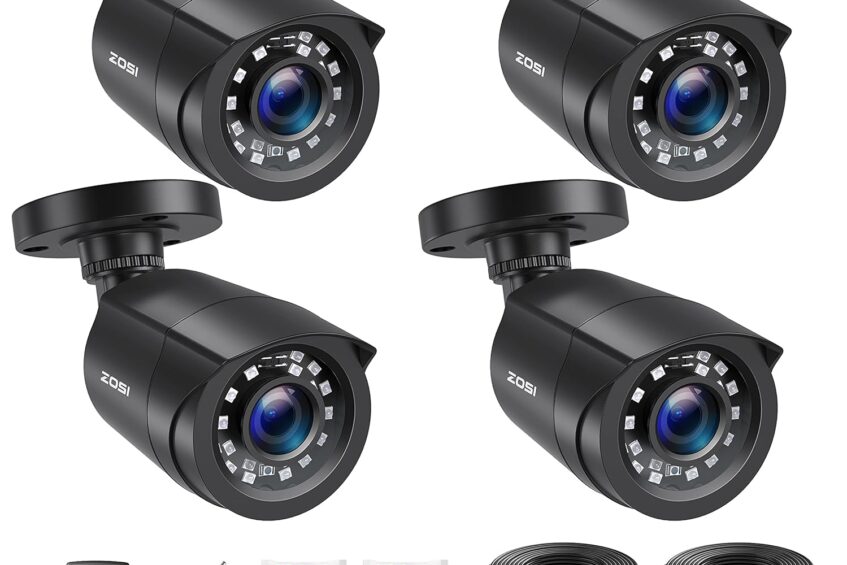
CCTV Camera|Courtesy
Four people have been arrested in South Korea for allegedly hacking over 120,000 video cameras in homes and businesses and using the footage to make sexually exploitative materials for an overseas website as reported by the BBC.
Police announced the arrests on Sunday, saying the accused exploited the Internet Protocol (IP) cameras’ vulnerabilities, such as simple passwords.
A cheaper alternative to CCTV, IP cameras – otherwise known as home cameras – connect to a home internet network and are often installed for security or to monitor the safety of children and pets.
Locations of the hacked cameras reportedly included private homes, karaoke rooms, a Pilates studio and a gynaecologist’s clinic.
A statement released by South Korea’s National Police Agency revealed that the four suspects operated independently of one another, and did not conspire together.
One of the suspects is accused of hacking 63,000 cameras and producing 545 sexually exploitative videos, which he then sold for 35 million won ($12,235; £9,250) worth of virtual assets.
Another allegedly hacked 70,000 cameras and sold 648 videos for 18 million won worth of assets.
The two suspects were responsible for approximately 62% of videos posted in the past year on a website that illegally distributed IP camera hacking footage.
Police are now moving to block and shut down that website, and cooperating with foreign agencies to investigate its operator. They have also arrested three people who are suspected of having bought and viewed material through the site.
“IP camera hacking and illegal filming inflict immense suffering on victims and are therefore serious offences. We will eradicate them through vigorous investigations,” said Park Woo-hyun, a cyber investigation chief at the National Police Agency.
“Viewing and possessing illegally filmed videos are also serious crimes, so we will actively investigate them.”
Authorities have personally visited or notified victims at 58 locations, informing them of the incident and providing guidance on changing passwords.
They are also helping victims delete and block content, and working to identify others who may have been affected.
“Above all, it is crucial and effective for individual users who have installed IP cameras in homes or business premises to remain vigilant and immediately and regularly change their access passwords,” the National Police Agency said in its statement.
Additional reporting by Leehyun Choi