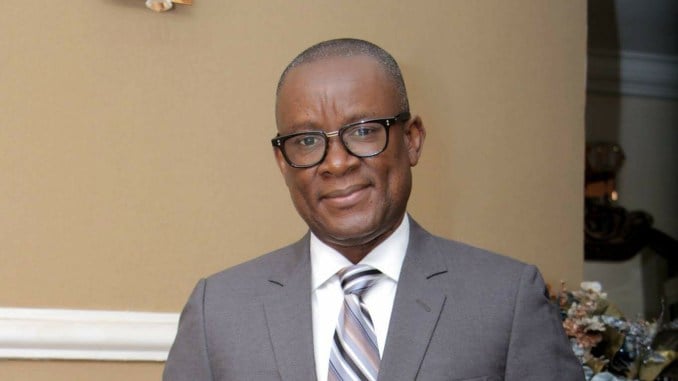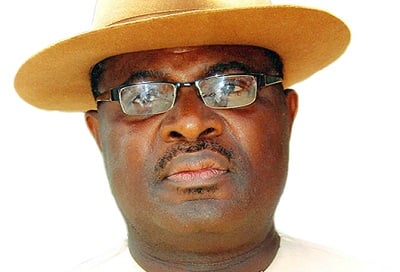
Former Chairman of the Presidential Task Force on Power, Bekinbo Dagogo-Jack, has warned that the ongoing political crisis in Rivers State is inflicting severe economic damage.
He described the situation as “impact[ing] us very badly, way more than people can measure.”
Speaking in an interview on ARISE News on Saturday, he said, “When you don’t know what tomorrow will bring, you’re attacking the economy of the state.”
Dagogo-Jack rejected claims that the crisis is linked to Governor Nyesom Wike’s personality, suggesting it may have been planned.
“You could argue that this crisis was premeditated,” he said, adding that, “It has nothing to do with the governor.”
He also highlighted a deeper governance problem caused by the collapse of traditional oversight and accountability structures in the state.
“Without that fabric, you don’t have checks and balances,” he said, alleging that lawmakers now act on instructions rather than independent judgment.
He continued, “One person makes a call, says jump, and they ask how high.”
Reflecting on the wider implications for Nigeria’s democracy, Dagogo-Jack expressed concern about the erosion of political values.
“It’s scary. A lot of distortions have taken place,” he said, and also noted, “I feel bad for our younger generation. What template will they aspire to imitate?”
He warned that without systemic reform, the country risks continued instability despite its resources.
“The current system cannot guarantee the kind of destination that we should be looking at as a country,” he said.
While the Rivers crisis dominated his comments, Dagogo-Jack also addressed the electricity sector, criticising the nation’s reform process as lacking structure and accountability.
He said, “I’m also disappointed, heartbroken about the fact that we’re still struggling with the power reform started as far back as 2010, thereabouts.
“The truth of the matter is that we don’t even have a roadmap, a reform roadmap in play now.”
He stressed the importance of continuity across administrations, noting that “The way reform works is that it’s a long distance race. It’s also a relay race. If you hand over the baton, the next guy must do the right thing,” adding that under the Buhari administration, “there was a disconnect with the reform race.”
Dagogo-Jack criticised the lack of transparency and progress in power reforms.
“If you ask anybody to show you a reform roadmap, where are we going? Where will you be in 2024, 2025, 26? You will not see any,” he said.
He also questioned decentralisation measures, saying: “We did something nominal by taking the power out of the exclusive list and making it concurrent, but go to the states and find out what has happened. Almost zero.”
On the electricity value chain, he noted ongoing dysfunction. “Generators, GENCOs are owed. Discos are not remitting as much as they should remit, and they too are complaining about energy theft,” he said.
He warned that grid collapses reflect regulatory and institutional failures.
“I know that liquidity is a problem, but it’s not meant to be so bad as to bring us down to zero electricity, grid collapses here and there. We’re not even done with January and we have visited a grid collapse,” he asserted.
Dagogo-Jack also said existing policy documents are insufficient for reform.
“Those policy instruments are very broad in their dimensions. They do not have action plans with timelines and deliverables and resources required to get there,” he said.
“Intentions are very bold, but bold intentions and delivering results are related, but they are not automatic.
“This is the kind of details you need to tie into your pronouncement so people are marrying the data and making sense out of it. We don’t see that,”he concluded.