Author: Michael Daniel | Published: 1 hour ago
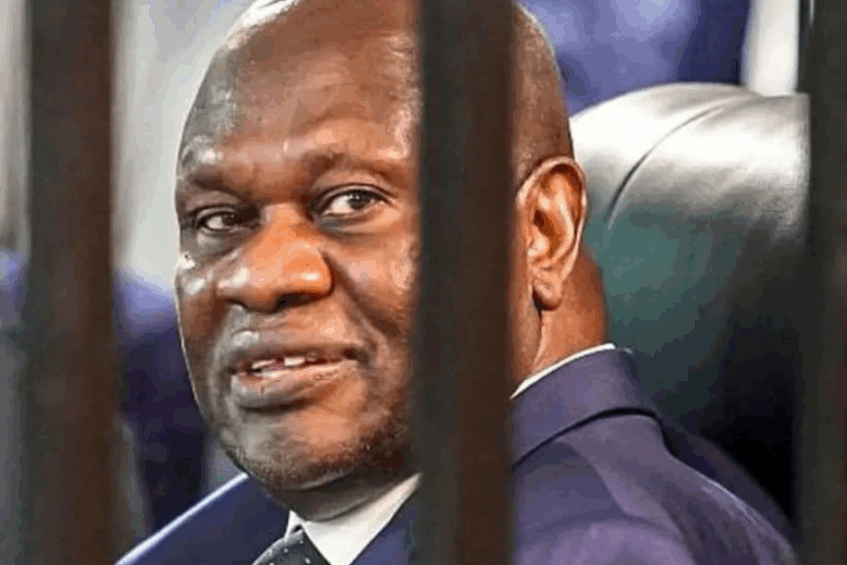
Dr. Riek Machar, SPLM-IO leader, is currently undergoing trial over Nasir incident. (Courtesy photo)
The Special Court handling the Nasir incident, in which Dr. Riek Machar and seven other defendants are on trial, will hold a public hearing on Wednesday, January 28, open to both the media and the general public.
The upcoming 44th session will focus on the examination of an expert on electronic devices. This follows the conclusion of testimonies from the final protected witnesses.
So far, the prosecution has presented 16 witnesses—eight in open court and eight under protection, behind closed doors without media or public access.
In September 2025, the prosecution formally filed serious criminal charges against Dr. Machar and several senior military officials over the March 2025 Nasir violence—an attack described as among the most “apocalyptic” in South Sudan’s recent history.
During the trial’s opening session, Lead Prosecutor Ajo Ohisa accused Machar and his co-defendants of orchestrating a well-financed, premeditated assault by the White Army militia.
The attack allegedly resulted in the deaths of dozens of government soldiers and civilians, many executed at point-blank range and disposed of in the Sobat River.
According to the prosecution, the assault targeted a government military garrison in Nasir between 3rd and 7th March 2025. The indictment alleges that surrendered soldiers were executed, with some bodies left to decay and others dumped in the river.
Prosecutors contend that the White Army militia acted under the direct command of SPLA-IO officers, with Machar as commander-in-chief, overseeing and coordinating the operation. The accused are alleged to have incited, armed, organized, and funded the attacks, with some SPLA-IO commanders reportedly coordinating from Juba.
The prosecution plans to call over 100 witnesses, submit forensic evidence, and seek the court’s approval to try some defendants in absentia. Charges include violations of more than 20 sections of South Sudan’s Penal Code Act 2008—covering murder, terrorism, treason, war crimes, abuse of office, and financing of terrorism under the Anti-Money Laundering and Counter-Terrorism Act 2012.