Author: Wol Mapal | Published: 2 hours ago
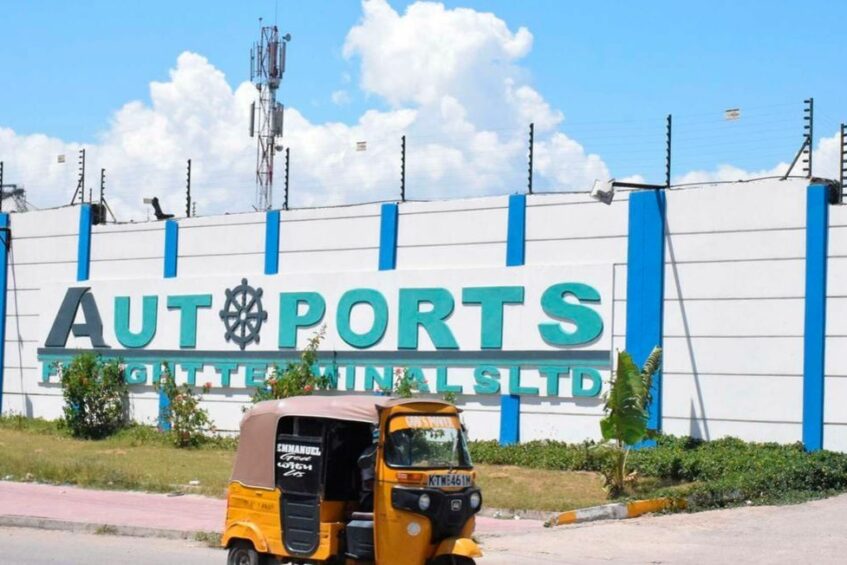
Autoport Freight Terminals along Moi Avenue in Mombasa County, Kenya. PHOTO | WACHIRA MWANGI | NMG
South Sudanese traders and clearing agents are facing higher costs and delays after a new policy at Kenya’s Port of Mombasa imposed the handling of South Sudan–bound goods outside the port by two designated Container Freight Stations (CFS) and reduced free storage time from up to 60 days to just 14 days.
The policy grants exclusive handling rights to Autoport and Compact CFS, limiting traders’ options to clear cargo directly from the port or choose alternative freight stations.
Speaking from Mombasa, South Sudanese clearing agent and freight forwarder Hamid Abdellatif said the changes follow a directive issued on December 16 requiring all bulky and used cargo to be processed through Autoport CFS.
“Before, our containers and vehicles could go to any CFS, and we had up to 60 days free storage. Now we only get 14 days, and after that storage charges start accumulating very fast. They don’t give waivers, and clients end up abandoning their goods,” Abdellatif said.
He explained that a 20-foot container costs about 380 U.S. dollars to clear within the 14-day period, while a 40-foot container costs around 580 U.S. dollars. Beyond that period, daily charges of up to 60 dollars apply. Some containers also must be transported by rail to Nairobi, adding roughly 500 dollars per container.
“This increases costs because after paying for rail, you still need to hire trucks to bring the goods back to Mombasa or onward to South Sudan. The policy is hurting small traders. When there was no monopoly, we had flexibility and fewer losses,” Abdellatif added.
Traders are urging the South Sudan government to renegotiate the arrangement with Kenyan authorities to allow importers to choose any CFS and clear cargo directly from the port, similar to the system used for Ugandan cargo.
“The port itself is not congested. Ugandan cargo is cleared from inside the port, and they get better treatment. We want the same for South Sudanese cargo,” Abdellatif said.
Officials at the Kenya Ports Authority’s legal department confirmed awareness of the directive but said it originated from higher government instructions and could not be reversed locally.
Importers warn that unless the policy is reviewed, South Sudan’s main import route through Mombasa will continue to face rising costs, delays, and business losses.