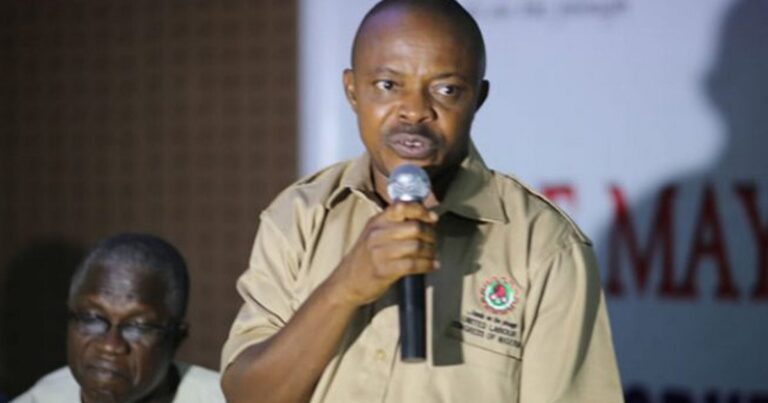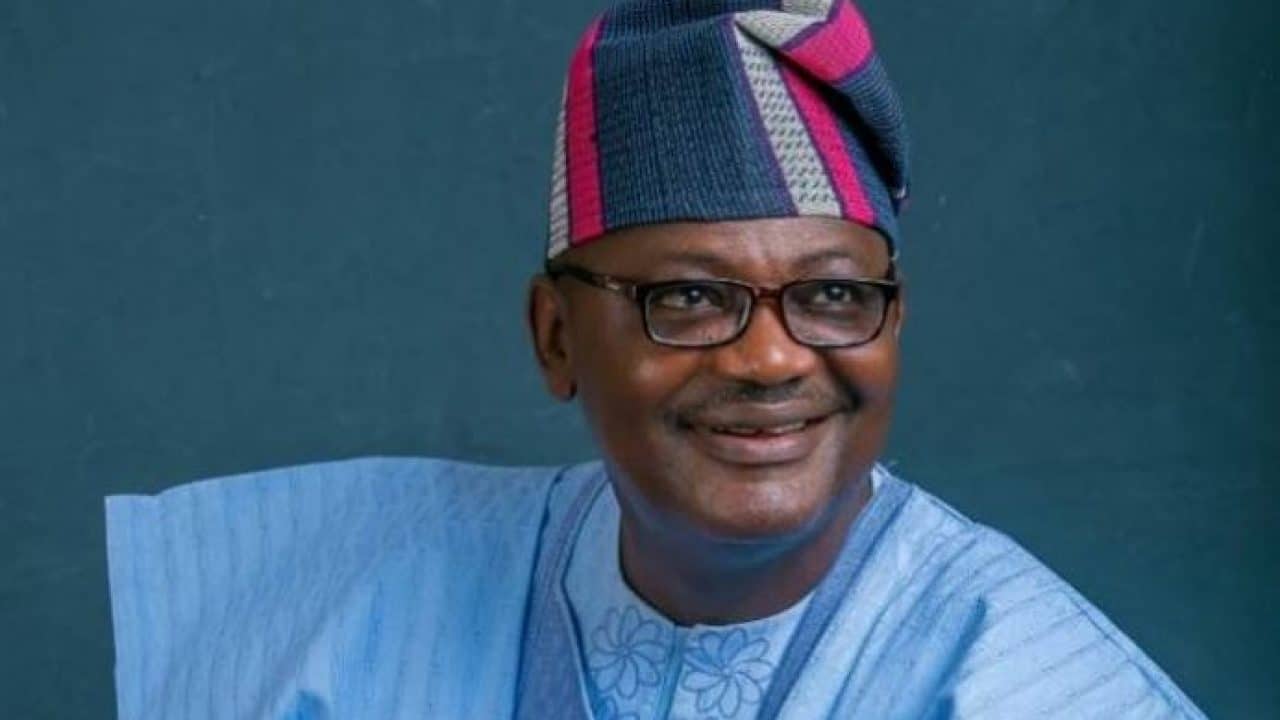
The House of Representatives member representing Yewa North/Imeko-Afon Federal Constituency of Ogun State, Gboyega Isiaka, has said the Badagry–Sokoto Superhighway has the capacity to unlock long-stalled economic potential across the country’s border communities and reposition the South-West as a strategic gateway for trade and industry.
Isiaka, who chairs the House Committee on National Planning and Economic Development, said the expressway, which passes through Owode-Afon in Imeko Local Government Area of the state, represents a critical infrastructure gain for the local economy and border communities in the area.
The 1,068-km Sokoto–Badagry Superhighway stretches from Illela in Sokoto to Badagry in Lagos, traversing seven states to bridge the North-West and South-West.
The federal lawmaker, while commending President Bola Tinubu’s administration for embarking on the project, described the road as a strategic economic spine linking coastal commerce in Badagry to the vast agricultural and trade belts of the North, with direct implications for border towns long excluded from national planning.
Isiaka spoke on the sidelines of the formal reception of prominent former Peoples Democratic Party leaders, including Lisa Adejobi and Mujjidat Balogun, into the All Progressives Congress in Imeko-Afon Local Government Area on Friday.
According to him, the scale and intent of the Badagry–Sokoto project signal a deliberate economic choice by the Tinubu’s administration to use infrastructure as a lever for growth, production and regional integration.
Isiaka added that the road’s linkage from Owode in Ogun State through Badagry in Lagos and onward to the sub-Saharan trade routes would deepen the country’s role in regional commerce under the African Continental Free Trade Area.
“On my way to Imeko today, I took a careful look at the stretch of the Badagry–Sokoto Road under construction. What is unfolding there is a landmark project. For years, communities along this axis have lived at the margins of opportunity.
“This project brings us into the centre of national economic thinking. It opens access to markets, reduces transport costs, strengthens food supply chains and creates room for agro-processing, logistics and light manufacturing.”
“For me, this road is a planning instrument. Infrastructure of this nature shapes settlement patterns, investment decisions and industrial clusters. When you connect production zones to ports and borders efficiently, you stimulate growth that is broad-based and durable.” he noted.