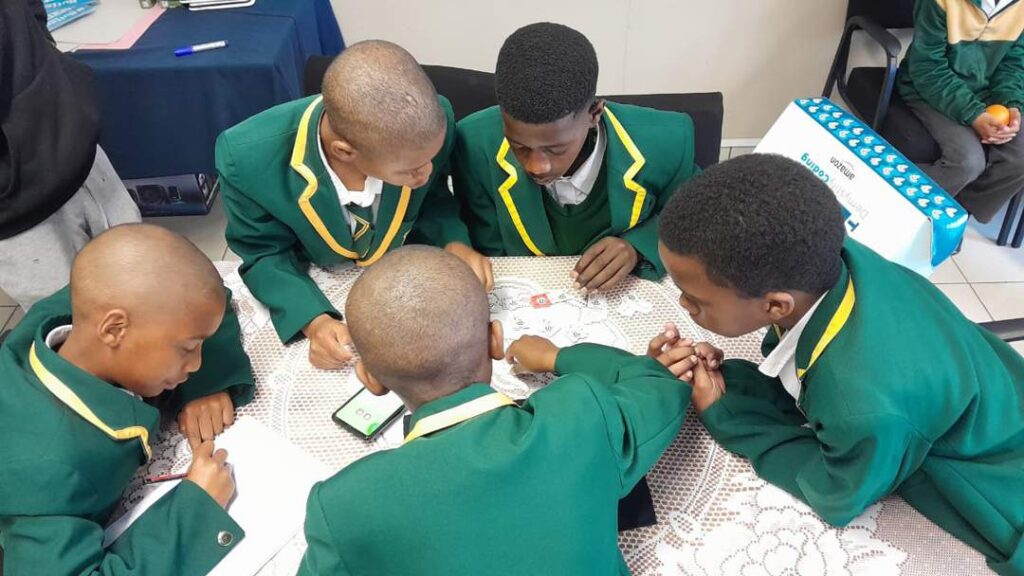
- The awards celebrate South Africans using innovative, low-tech methods, like the Tangible programme, to bring coding education to pupils without access to computers or electricity.
- Winners like Bona Ubuntu and Eldos Coding Club demonstrated how creative tools and community support can empower visually-impaired learners and children in overlooked communities.
- The Tangible programme’s global reach and initiatives, such as the Tangible World Cup, have inspired thousands of pupils and teachers, fostering growth mindsets and interest in STEM fields.
South Africa’s drive to close the digital divide has received a significant boost with the announcement of the inaugural Tangible EdTech Awards, recognising teachers, community organisations, and partners who are using low-tech tools to bring coding education to thousands of pupils, even in schools without computer labs, electricity, or internet access.
The awards, presented by the Leva Foundation, highlight the rapid expansion of the Tangible programme, which began as a Nelson Mandela University BSc Honours project in 2017 when student Byron Batteson developed the TANKS coding app.
Today, Tangible operates across five continents, offering unplugged coding games, teacher training, and a WhatsApp chatbot that delivers free CAPS-aligned lessons for grades R to 7.
The project’s philosophy is rooted in Nelson Mandela’s conviction in the transformative power of education. Tangible founder Prof Jean Greyling said the initiative is driven by the idea that “the son of a farm worker can become a data scientist, and the daughter of a bank teller can become a software developer”.
In 2025 alone, more than 50 000 pupils participated in Tangible’s flagship #Coding4Mandela initiative, culminating in a global Tangible World Cup involving 340 teams from 30 countries, presented in partnership with Amazon’s Think Big spaces.
READ | merSETA empowers rural special needs learners for tech jobs
Nelson Mandela University’s Dean of Science, Prof Christa Grobler, said the programme’s reach demonstrates what can happen when academic innovation moves beyond campus walls.
“It is wonderful to see that an Honours project didn’t end up on a shelf, but is ‘Changing the World’, as our faculty logo states.”
Inside the classrooms and communities
Among this year’s top honourees is Elgin Fortuin of Diazville Primary in Saldanha, who received the award for Top Tangible Teacher – Coding4Mandela.
The school mobilised more than 750 pupils for coding games, Mandela-themed activities and the Juicy Gems tournament, which is a model example of sustained coding integration rather than one-day events.
Reflecting on his recognition, Fortuin said he was “genuinely surprised and deeply honoured” to receive the Top Tangible Teacher Award.
He added that the credit belongs to Diazville Primary School, its principal, Lee-Ann Davids-Hartzenberg, the teachers, and the pupils.
He said the school’s commitment to integrating innovative approaches like robotics and coding, alongside the excitement sparked by activities such as the Coding for Mandela dance, helped make coding “accessible and fun for all ages”.
Watching pupils, especially those who struggle academically, persevere through debugging, build confidence, and collaborate with joy “created a heartwarming feeling”, he said, emphasising how coding has become a source of pride, motivation, and equal opportunity at the school.
The award for Top Tangible Teacher: Chatbot Lessons went to Khethokuhle Bhengu, a Grade R teacher from KwaZulu-Natal whose engagement with the weekly WhatsApp lessons pushed her to pursue an additional certificate in Coding and Robotics. Her recognition demonstrates how the programme is inspiring not only pupils, but also teachers.
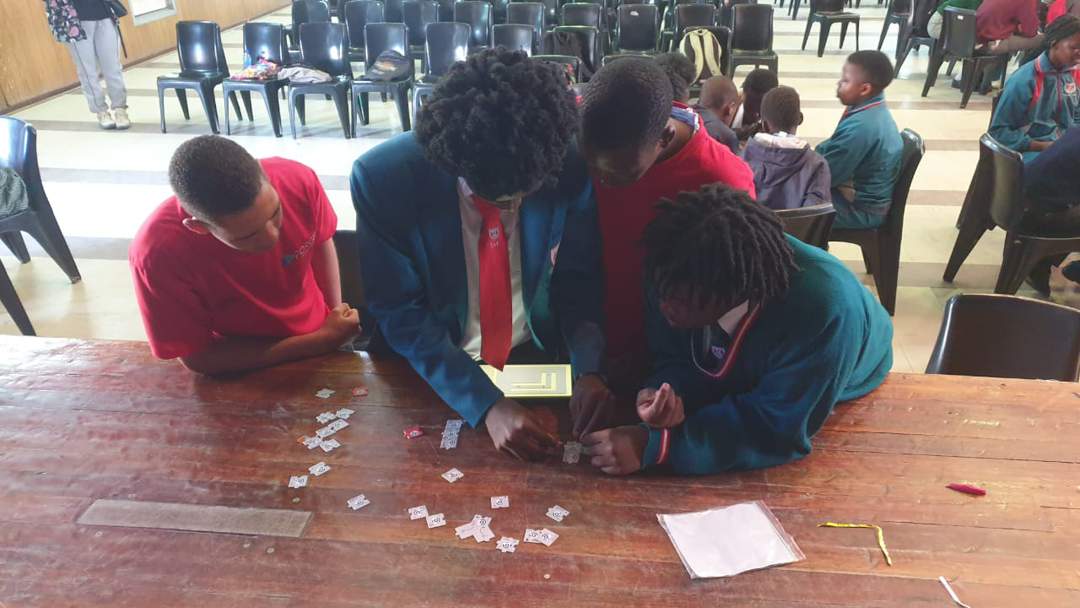
Pupils at the Eldos Coding Club.
Supplied/Alley McPherson
In Eldorado Park, the Eldos Coding Club, led by Alley McPherson, winner of the Top Tangible Coding Club award, reached more than 2 000 pupils this year through coding sessions, Tangible Chess activities and CAPS-aligned lessons.
McPherson said the work is driven by a belief that children in overlooked communities “deserve access to opportunities that can change the course of their future.”
She further stated that Tangible Afrika and the Leva Foundation have been instrumental in overcoming resource gaps.
“Because of their support, our kids believe that they belong in tech. That they are capable. That they are brilliant,” she said.
One of her standout memories was hosting Eldos’ first Coding4Mandela challenge, where local learners danced the Mandela Dance after competing, which is a moment she described as “validation, hope, and proof that brilliance lives right here in our community”.
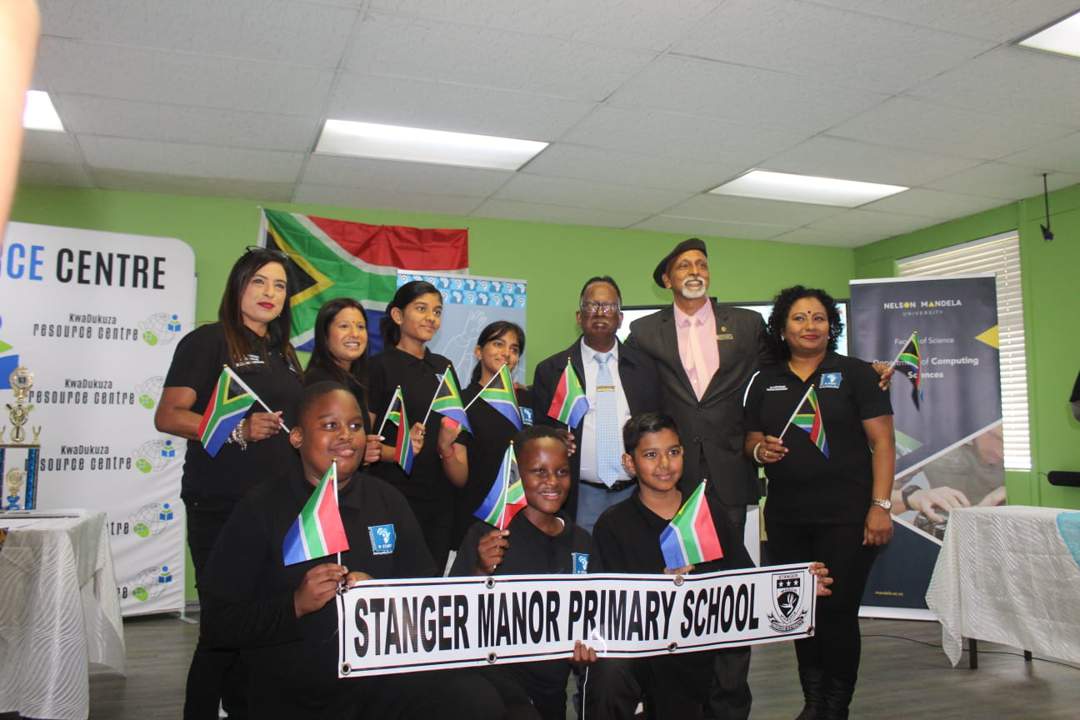
World cup winners Stanger Manor Primary.
Supplied/Sabashnee Govender
KwaDukuza’s Stanger Manor Primary and Secondary dominated this year’s Tangible World Cup, with the primary school winning the overall junior division and the high school placing second globally in the senior division.
Teacher Sabashnee Govender, who led the Grade 7 team, said months of preparation focused on creative problem-solving, teamwork and critical thinking.
“The atmosphere competing against top teams from 30 countries was electric,” she said.
“Seeing our learners shine on the global stage was overwhelming. Teamwork is dreamwork.”
She believes the experience has already reshaped her learners’ futures: “They’ve developed a growth mindset and a deeper interest in STEM fields. I know they will make a positive impact.”
WATCH | Mzansi’s young tech innovators prepare to inspire global trends
The award for Tangible EdTech Inclusivity went to Bona Ubuntu, represented by Robyn Fick, for pioneering adaptations that enable blind and partially sighted learners to participate in coding tournaments fully. Working with Tangible, the organisation helped develop 3D-printed challenges, tactile grid mats and Braille-labelled tokens.
Fick said that for visually impaired learners, access to technology is not simply beneficial – it is transformative.
“For people without disabilities, technology makes things easier. For people with disabilities, technology makes things possible,” she said.
She added that participation in coding tournaments has boosted pupils’ confidence and created rare opportunities for them to compete alongside sighted peers.
“It is a fair playing field, and an excellent opportunity for the learners to show that they are more than just their disability.”
Complete list of 2025 Tangible EdTech Award winners
Top Tangible Teacher – Coding4Mandela: Elgin Fortuin
Top Tangible Teacher – Chatbot Lessons: Khethokuhle Bhengu
Top Tangible Coding Club: Alley McPherson (Eldos Coding Club)
Top Tangible Ambassador: Krish Govender
Tangible World Cup Winners:
• Stanger Manor Primary – Junior Division (Sabashnee Govender)
• Stanger Manor Secondary – Senior Division (Dr Mogie Moonsamy)
Tangible EdTech Innovation Award: Dutoit & the 11&1 Team
Tangible EdTech Inclusivity Award: Bona Ubuntu (Robyn Fick)
Tangible EdTech Volunteer Award: Capitec
Tangible EdTech Impact Award: Amazon South Africa