
“We cannot be confined to our villages.”
This is how Omatjete area chief Manasse Zeraeua of the OvaHerero Traditional Authority in the Erongo region responded when asked why some traditional leaders like himself are serving their rural communities from urban areas.
These leaders include Zeraeua and a few headmen from other villages across Namibia.
Those running their communities from urban areas argue that they are capable of serving from where they reside and that deputies and local committees keep day-to-day leadership running.
The authorities were responding to questions following the shooting of I-Ben Nashandi, headman of Iikokola village in the Oshikoto region under the Ondonga Traditional Authority, which occurred earlier this month.
Nashandi is based in Windhoek, where he has a full time job as executive director of the National Planning Commission.
This is despite Section 2(d) of the Traditional Authorities Act No. 25 of 2000, which stipulates that a chief or head of a traditional community is required to reside within their communal area.
Zaraeua has a house in Windhoek which he visits frequently, but says he operates his office from Omatjete.
“As traditional leaders like myself who reside at our village, although not most of the time, we cannot be confined in our villages, we need to be out there looking for opportunities to develop our communities,” he told The Namibian last week.
Former finance minister Iipumbu Shiimi was inaugurated as the new headman of the Uukwambi Traditional Authority’s Ontana village in the Omusati region.
He succeeded his father, Aloisius ‘Kuma’ Shiimi, who was headman of the village, situated about 10 kilometres north of Oshakati, until his death in March 2014.
Historian analyst Kletus Likuwa says the Traditional Authorities Act is simply advising traditional leaders to reside within their chieftainship communal areas.
“This is similar to the Local Authority Act where a councillor is required to live within that constituency, but we had an incident at Omuthiya where the mayor was residing in Windhoek. It is public knowledge that the councillor was removed as a result,” says Likuwa.
The Traditional Authorities Act stipulates that “to be an ordinarily resident in a communal area of the traditional community which he or she leads, failing which such traditional leader may be removed from office, if he or she is a chief or head of a traditional community under Section 8 (1), or if she or he is a senior traditional councillor or traditional councillor, in accordance with the customary law.
“A person who is not so resident at his or her designation and recognition or appointment or election as a traditional leader in terms of this act shall not be disqualified to be so designated and recognised or appointed or elected,” reads the act.
LAW REQUIRES VILLAGE ADDRESS
Damara chief council chairman Abner Xoagub says all their headmen live at their villages as required by the law.
“We only have one chief Immanuel |Gaseb of Okombahe settlement in the Erongo region, but the argument is that he is also the chairman of the council of traditional authorities hence he resides in Windhoek,” Xoagub says.
He expresses disappointment in those serving their own interests instead of the community’s.
Other urban-based headmen include ambassador Bonny Haufiku, who spent many years abroad on diplomatic missions.
Haufiku was appointed the new chief of protocol of State House, while being the headman of Ohalushu village under the Oukwanyama Traditional Authority.
He says his absence does not affect village operations as there is always someone acting on his behalf.
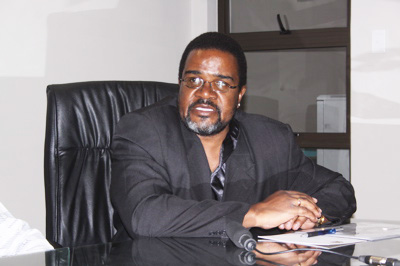
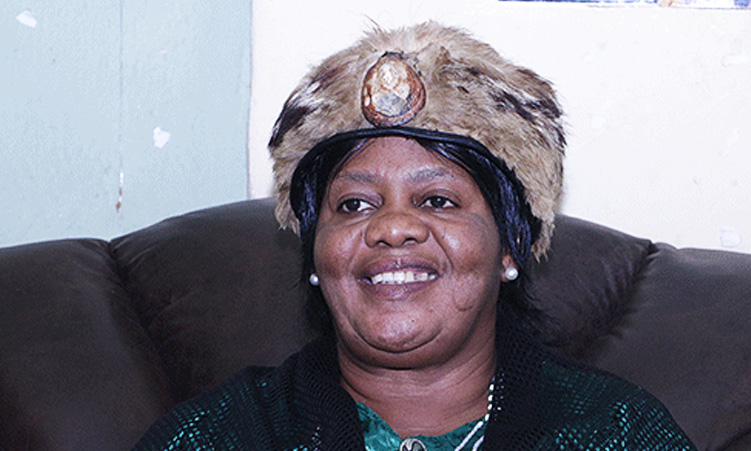
“It’s not something new and the community is aware of this,” he says.
Haufiku has been embroiled in a tug-of-war with his cousin, Josua Kaukungwa, over a piece of land in the Ohangwena region.
The land was previously owned by Kaukungwa’s late father, Set Kaukungwa, who was also headman of the village.
Businesswoman Martha Namundjembo-Tilahun, who is the headwoman of the Ohailombo village under the Ondonga Traditional Authority, did not indicate how she has been serving her community over the years from Windhoek, where she runs her business empire.
She, however, has ensured that services such as water and solar panels have reached her people under her leadership. She adds that she is also overseeing the construction of an earth dam and road.
Other urban-based leaders include Shiimi, former minister Peya Mushelenga (Oshigambo village, Ondonga Traditional Authority), and businessman/former Windhoek mayor Martin Shipanga (Onandjamba village, Ondonga Traditional Authority). Attempts to reach some of these leaders were unsuccessful.
There are approximately 52 recognised traditional authorities in Namibia.
‘NO NEED FOR PHYSICAL PRESENCE’’
Ondonga Traditional Authority secretary Frans Enkali yesterday said deputies or acting persons handle village affairs in the absence of headmen.
“The headmen do serve the community, and we should not look at them in an individual aspect. They have deputies or people who will act in their absence and remain in communication,” he said.
“There is no leadership gap unless when communication starts to shrink, then maybe one could then argue that it may be an issue. But this is not the case because they are well represented.”
He said in some instances, trusted community members form part of a committee which sits to discuss issues within the village while staying in contact with the headman, who attends in person when needed.
Similar cases are observed in the |Khomanin Traditional Authority, with queen Julianne Gawanas residing in Windhoek.
|Khomanin adviser Walter Haseb, however, explains that headmen overseeing multiple settlements appoint additional members within those settlements to act on their behalf, who report back during monthly visits.
Haseb says the headman attends council meetings and when additional information is needed, he may reach out to the additional members.
Late paramount chief of the OvaHerero under the OvaHerero Traditional Authority also served while residing in Windhoek.
In an age of information overload, Sunrise is The Namibian’s morning briefing, delivered at 6h00 from Monday to Friday. It offers a curated rundown of the most important stories from the past 24 hours – occasionally with a light, witty touch.
It’s an essential way to stay informed. Subscribe and join our newsletter community.

The Namibian uses AI tools to assist with improved quality, accuracy and efficiency,
while
maintaining editorial oversight and journalistic integrity.
Stay informed with The Namibian – your source for credible journalism. Get in-depth reporting and opinions for
only N$85 a month. Invest in journalism, invest in democracy –
Subscribe Now!