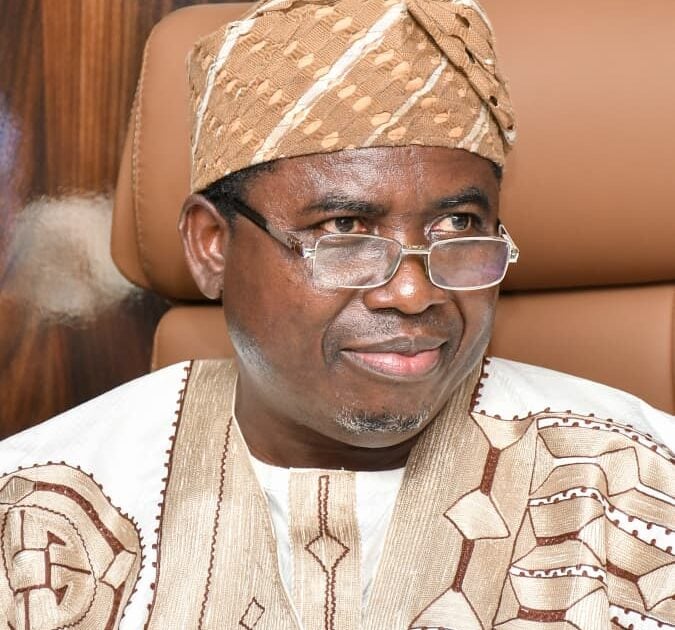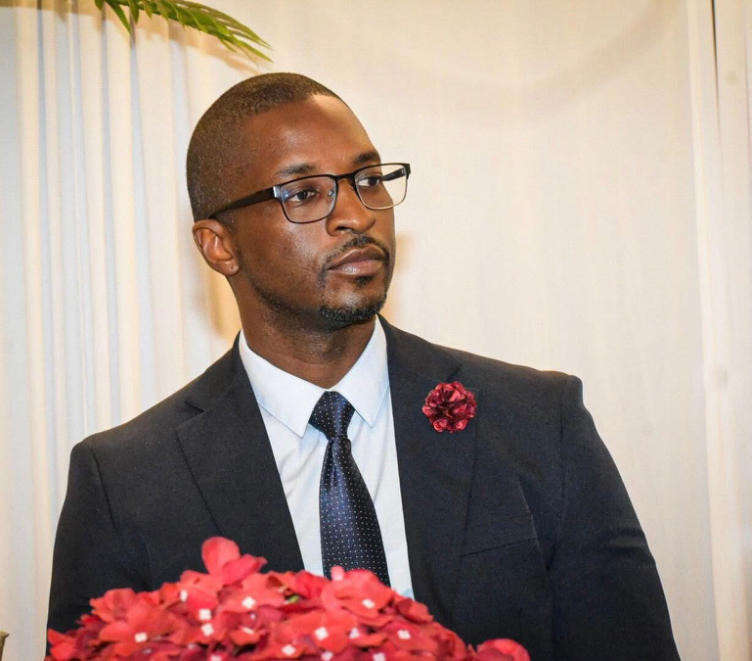
Monrovia — The Political Leader of the Liberian National Union (LINU), Dr. Clarence K. Moniba, has sharply criticized the Boakai administration’s fiscal priorities, warning that poor budget choices—not lack of resources—pose a serious threat to Liberia’s long-term economic growth and social development.
By Jaheim Tumu, [email protected]
Moniba’s remarks come in response to President Joseph Nyuma Boakai’s third State of the Nation Address (SONA), delivered on Monday, January 26, 2026, which has drawn mixed reactions across the political spectrum. While government officials and supporters have defended the President’s claims of progress, opposition figures have questioned the substance behind the speech.
In a detailed address released Monday, Moniba argued that while State of the Nation speeches often sound impressive, the true measure of government performance lies in the national budget.
“The State of the Nation Address will always sound good, because it is someone grading themselves,” Moniba said. “But the real grade should be found in the 2026 budget, and that is where our government is failing.”
Describing budgets as “moral documents,” Moniba said they expose a government’s real priorities, noting that speeches reflect intentions, but budgets reflect beliefs.
He took aim at the administration’s claim of creating nearly 70,000 short-term jobs, questioning the lack of transparency and sustainability behind the figures. According to Moniba, many of the reported jobs were government-generated rather than driven by private sector growth, a trend he warned is unsustainable.
“That is a recipe for disaster,” he said, adding that without a clear pathway to permanent employment, such claims “ring hollow.”
Moniba also dismissed government claims of economic relief, arguing that while inflation figures may appear favorable on paper, everyday Liberians continue to struggle with high food prices, rent, and transportation costs.
“Liberians do not eat statistics,” he said.
While acknowledging some progress in agriculture and education, including farmer support and the installation of computer labs in schools, Moniba described these efforts as inadequate. With more than 2,000 schools nationwide, he said, the provision of 156 computer labs amounts to “tokenism, not transformation.”
Central to Moniba’s critique is the US$1.2 billion national budget for 2026, which he said prioritizes government comfort over national development. He noted that nearly US$400 million was added to the budget, funds he believes should have been invested in factories, production, and private sector revitalization.
“Liberia is too rich for Liberians to be this poor,” he said.
He highlighted what he described as glaring contradictions, including the allocation of less than US$10 million combined to more than ten public colleges and teacher-training institutions, compared to US$11 million allocated to just six top political offices. Moniba also criticized the allocation of US$500,000 for scratch cards while the Maryland Vocational Training Institute received only US$200,000.
“This is malpractice,” he declared.
Moniba warned that Liberia’s long-standing pattern of spending—where nearly 90 percent of government expenditure goes to recurrent costs such as salaries and operations, and only about 10 percent to capital investment—has left the country trapped with what he termed a “19th-century workforce in a 21st-century economy.”
He stressed that human capital development is the most decisive driver of national transformation, warning that continued underinvestment in health, education, and skills development will guarantee failure.
“A malnourished child cannot learn. A child who cannot learn cannot lead,” Moniba said, referencing Liberia’s nearly 30 percent stunting rate among children.
With nearly 75 percent of Liberia’s population under the age of 35, Moniba cautioned that the country’s youth bulge could either become a powerful demographic dividend or a source of deep instability if current policies persist.
“Liberia does not need better speeches; it needs a different budget philosophy,” he said, one that prioritizes productivity, private sector growth, and human capital over political perks.
Moniba concluded by warning that history is unforgiving to governments that confuse rhetoric with progress, insisting that Liberians are not demanding perfection, but honesty, urgency, and leadership that reflects the scale of their daily struggles.
“Liberians deserve a government that invests in their future, not just in its own comfort,” he said.