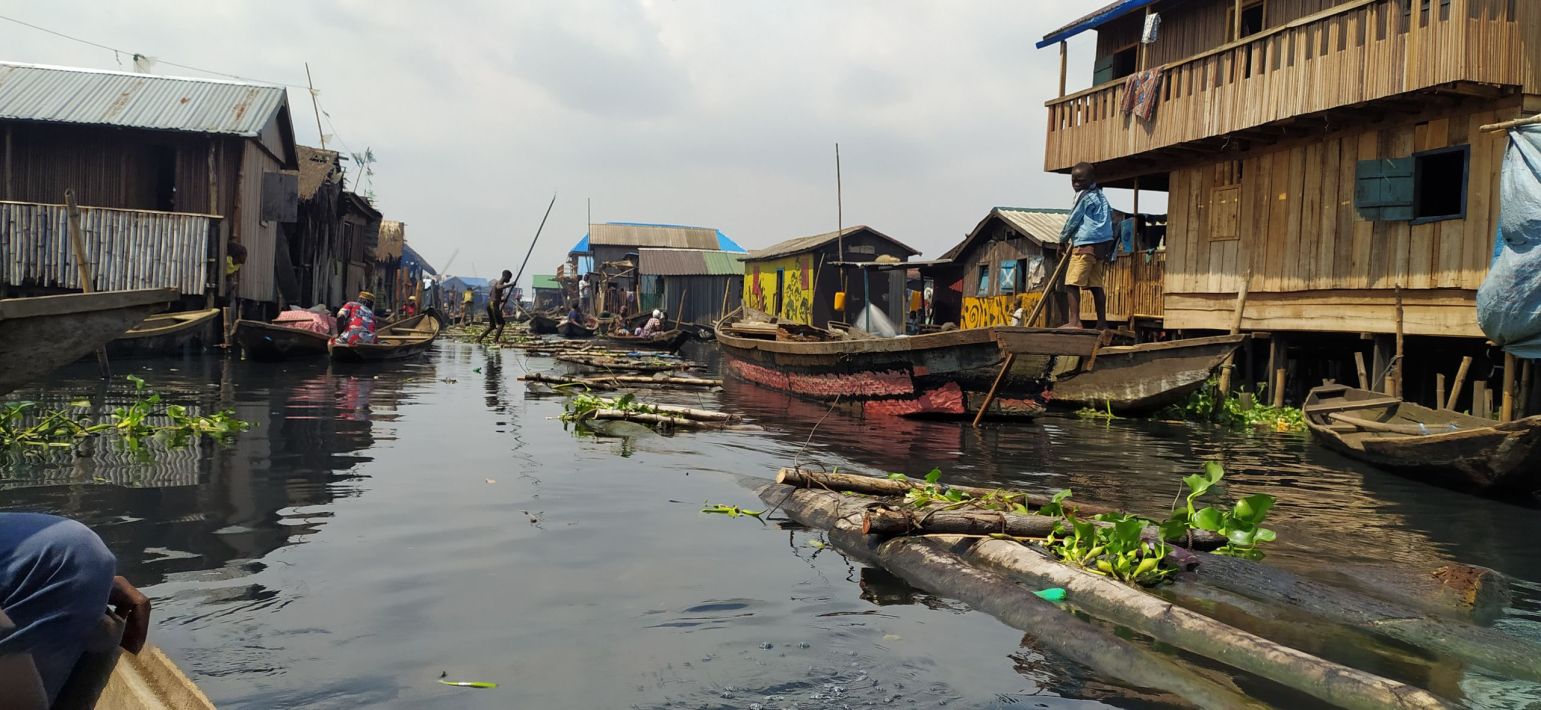
The Lagos State Government has defended its recent demolition exercise in Makoko and other waterfront communities.
According to the Lagos govt, the actions were taken to protect lives and property while promoting environmental safety and sustainable urban development.
The government’s position was contained in a statement issued on Sunday in Lagos and signed by the Commissioner for Information and Strategy, Mr Gbenga Omotoso, following an engagement aimed at fostering dialogue between government officials and affected residents.
Omotoso said the demolitions were necessary interventions designed to prevent potential disasters, enhance public safety and reposition Lagos as a resilient and sustainable megacity for future generations.
Addressing criticisms that the exercise was anti-poor, he explained that “the actions were driven by safety, environmental protection and security concerns, particularly structures erected beneath high-tension power lines and along critical waterways”.
He stressed that no responsible government would allow people to live under power cables or obstruct waterways, noting that “the measures were preventive, not punitive, and intended to avert disasters and safeguard the long-term future of Lagos.”
According to the commissioner, the affected communities had been engaged for more than five years, adding that existing laws require buildings to be at least 250 metres away from power lines.
He warned that fallen cables into waterways could result in catastrophic consequences.
Also speaking, the Special Adviser to the Governor on e-GIS and Urban Development, Mr Olajide Babatunde, said the demolitions followed detailed safety assessments and long-established urban planning regulations.
He noted that the exercise aligns with the state’s broader urban regeneration blueprint, citing successful relocation efforts such as Oko Baba, where residents were moved to modern housing estates.
Babatunde urged residents to comply with planning regulations to prevent future conflicts.