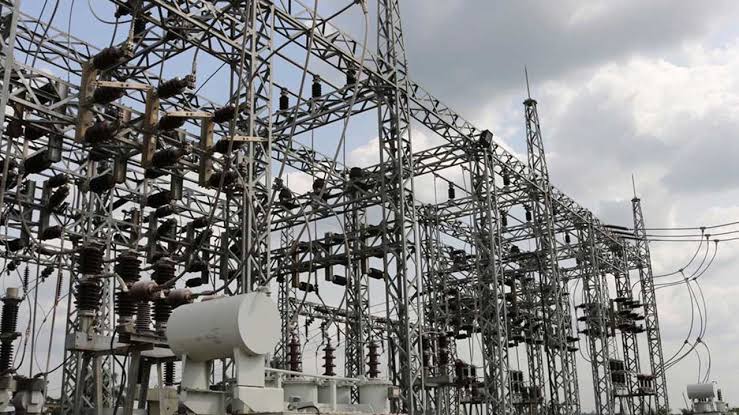
Nigerians endured several hours of outage when the national power grid collapsed again on Friday, the second time in four weeks.
Checks by our correspondent showed that electricity generation dropped sharply from over 4,500 megawatts to as low as 24MW as of 1pm.
However, findings revealed that all 23 power generation plants connected to the grid lost generation during the incident.
Consequently, power allocation to each of the 11 electricity distribution companies dropped to 0.00 MW.
This is the first grid collapse recorded in 2026, coming barely four weeks after a similar incident on December 29.
It was observed that restoration was a bit slow, as only 75 MW was restored to the grid as of 5pm on Friday.
Saturday PUNCH reports that whenever the grid collapses, the majority of electricity consumers are thrown into darkness, affecting businesses and social activities.
The Nigerian Independent System Operator confirmed that the outage occurred at about 12:40pm, following the simultaneous tripping of several 330kV transmission lines.
In a preliminary statement issued by its management on Friday, the operator said the combined incidents resulted in a total collapse of the interconnected national grid.
“The Nigerian Independent System Operator wishes to inform the public that at approximately 12:40 hours on Friday, 23 January, 2026, the national grid experienced a system-wide disturbance, which resulted in a total outage across the interconnected network,” the statement read.
According to NISO, initial operational findings linked the disturbance to major faults on the high-voltage transmission backbone, which remains the most critical and vulnerable segment of Nigeria’s power value chain.
“Preliminary operational reports indicate that the disturbance was associated with the simultaneous tripping of multiple 330kV transmission lines, alongside the disconnection of some grid-connected generating units. These events collectively contributed to the system’s collapse at the time indicated,” the operator said.
Following the outage, NISO said restoration activities commenced about 35 minutes later, at approximately 1:15pm, in line with established grid recovery procedures.
As of the time of the update, electricity supply had been restored to Abuja, Osogbo, Benin, Onitsha, Sakete, Jebba, Kainji, Shiroro, and parts of Lagos, while restoration efforts were continuing progressively across other regions of the country.
“Following the outage, system restoration activities commenced at about 13:15 hours, in accordance with established grid restoration and recovery procedures. As of the time of this update, electricity supply has been successfully restored to Abuja, Osogbo, Benin, Onitsha, Sakete, Jebba, Kainji, Shiroro, and parts of Lagos, while restoration efforts are continuing progressively in other parts of the country. The full restoration and stabilisation of the grid remains a top operational priority,” the statement added.
NISO also confirmed that a detailed investigation into the root and contributory causes of the disturbance was underway, assuring Nigerians that findings would guide corrective measures to prevent a recurrence.
Despite huge investments in the power sector, the national grid collapsed over 100 times in 10 years, according to reports by the Nigerian Electricity Regulatory Commission.
The convener of PowerUp Nigeria, Adetayo Adegbemle, said the Federal Government needed to bring back bulk users to the grid.
“We have allowed the big consumers to escape the national grid, pushing the load of sustaining it onto residential consumers. The tariff becomes more expensive for them, while producers continue to seek alternatives, albeit more costly. The Federal Government should, as a matter of urgency, reverse this trend.
“I have previously mentioned how the money manufacturers are spending on alternative energy sources should be reeled into the national grid—first, to ensure grid stability, and then to reduce the cost of grid electricity,” Adegbemle said.