Profile photo
Two leading experts have welcomed South Sudan’s newly passed Cybersecurity and Computer Misuse Bill, describing it as an important first step toward regulating online behavior — but both warn that the law must be implemented responsibly to avoid political and rights abuse.
The Bill was passed into law, on Tuesday, pending the President’s signiture.
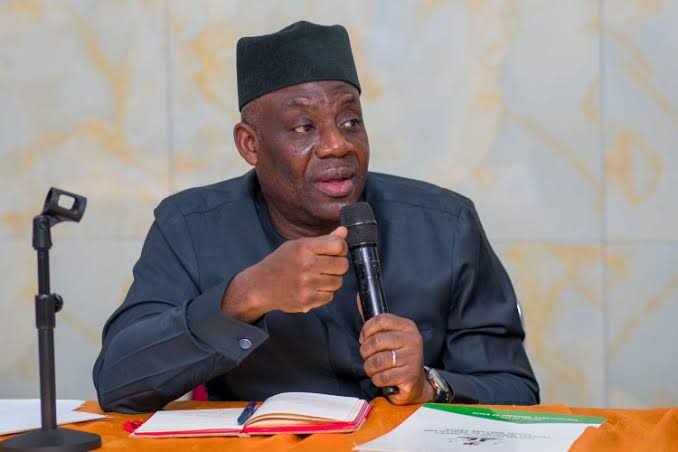
Wani Stephen, a technology and intellectual property lawyer and Deputy Secretary General of the South Sudan Bar Association, said the bill provides a necessary legal foundation in an era where crimes increasingly occur online.
“This is not a perfect law. There is no perfect law — especially in the technological era,” he said.
“But at least this one is a basic ground. It’s like a foundation. If you want to build a house, you need to start from somewhere.”
Stephen said the law creates a platform for prosecuting those who misuse technology for profit or harm, including cyber fraud, incitement and other digital crimes. But he stressed that the most sensitive concern is political incitement, especially as the country prepares for elections next year.
“Do we want the Minister of Justice to go to his community and start inciting violence against another community? No South Sudanese in their common sense would say yes,” he said.
“If it’s incitement of violence, it is completely wrong and people should be prosecuted — whether they are politicians in government, in the bush or anywhere.”
Still, Stephen cautioned that with South Sudan at a delicate stage of political transition, the law’s safeguards must be respected. He cited Section 46, which requires investigators to seek a court order before conducting searches or seizures, as well as existing protections within the Criminal Procedure Act.
“This law does not operate in a vacuum,” he explained. “There are safeguards. If an investigator violates your rights, you can appeal from the police station all the way up to the minister of justice. We should not mix everything and push it on this law.”
He reiterated that both the legislation and those enforcing it are imperfect, making public oversight essential.
Concerns Over Cyberbullying, Misinformation
Recho Hakim, a technology expert and founder of GOGO Play — a platform promoting South Sudanese creative talent — also welcomed the bill, saying it may help curb the rising wave of online abuse, misinformation, and exploitative content.
“Finally, we can be able to control the Internet,” she said. “Our social media platforms have become more aggressive than educative. There is body shaming, cyberbullying, revenge pornography — people’s private videos suddenly appearing online. It is very risky for us as a community.”
Hakim said misinformation has damaged the country’s image abroad, with false narratives spreading faster than verified information.
“When you travel, people pick what they see online, but they don’t know that on the ground it’s different,” she said. “Finally we have the chance to control individuals online.”
She believes the law may encourage more responsible online communication and reduce insults disguised as political criticism.
“There will be fear at first, but people will start to control their content,” Hakim said. “The best part is you will not hear insults instead of criticism. Are you correcting me, or are you trying to emotionally spark anger and conflict?”
Hakim hopes the law will push young people and online creators toward professionalism.
“Once we think about the information we’re putting out — whether negative or positive — it will enable us to be more professional,” she said. “Right now, only a few keep professionalism.”
A step forward, but caution urged
Both experts agree the law is a meaningful step for South Sudan, where digital platforms have become increasingly influential. But they also share the view that the bill’s success will depend on fair implementation, public awareness and respect for existing legal safeguards.
“It’s a foundation,” Stephen said. “What we build on it — that will determine whether it protects citizens or becomes a tool for abuse.