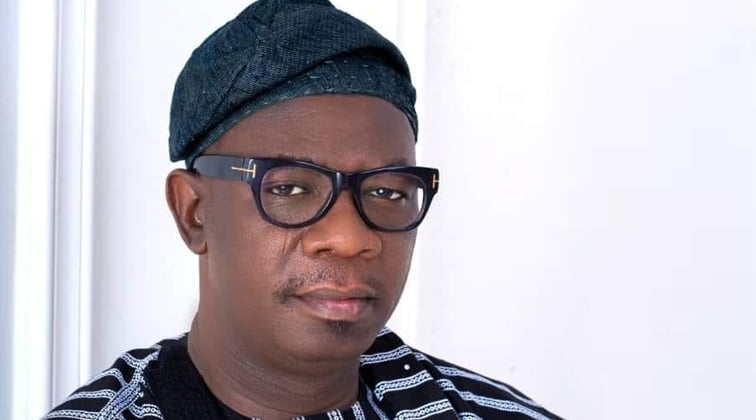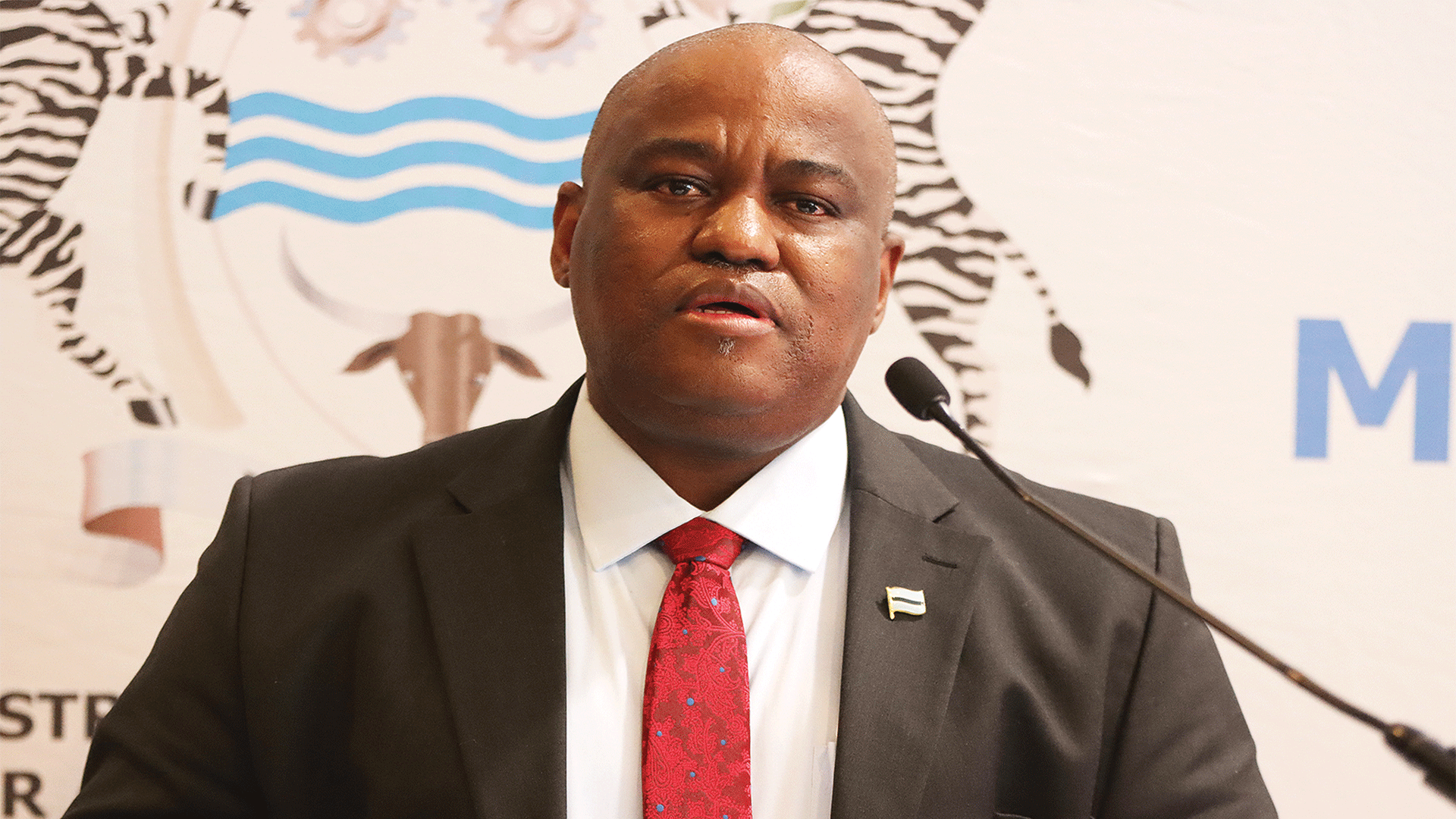
The story around the high-profile asset forfeiture case involving former Minister Kefentse Mzwinila took a sharp turn today with the release of court documents that lay bare a firm and detailed defense against the state’s accusations of corruption and flight. As the legal battle unfolds in the High Court, these newly revealed papers offer a clear window into Mzwinila’s version of events, one that sharply contradicts the portrayal painted by the Directorate of Public Prosecutions (DPP). Rather than a man fleeing under the cover of “bad weather,” Mzwinila insists he is the target of a politically motivated “Christmas Eve ambush,” explaining that his absence stems from a necessary spinal surgery, not an attempt to evade justice.
The state’s case, filed late last year as an urgent application, hinges heavily on the claim that Mzwinila and his wife, Bridget, fled to South Africa to dodge investigation. According to the DPP, the couple used flooding at their Oodi home as a pretext to slip away, a narrative that the former minister vehemently rejects. In his affidavit, Mzwinila labels this account a “deliberate fabrication,” clarifying that his trip was for a long-scheduled lumbar fusion spinal surgery combined with a family holiday. “I have not fled the country,” he asserts plainly, stressing that his lawyers had communicated his medical travel plans to investigators well in advance. Furthermore, he accuses the DPP of “material non-disclosure,” alleging they intentionally withheld this crucial information from the court to secure an interim freezing order by falsely presenting him as a flight risk.
At the heart of the state’s allegations lies the accusation of “unexplained wealth,” spotlighting lavish purchases of farms, homes, and heavy machinery that, according to investigators, far exceed the couple’s known income. Mzwinila’s defense challenges the integrity of this claim, dismissing the investigation as “shoddy” and negligent in following legitimate financial trails. Where the state sees illicit cash, Mzwinila points to documented bank loans, revealing that his farming operations and property developments were heavily financed through credible institutions, including a substantial P6.2 million loan from the Citizen Entrepreneurial Development Agency (CEDA), supplemented further by financing from the National Development Bank and ABSA. While he acknowledges handling cash transactions, which are not inherently illegal, he insists these funds were generated through lawful activities, including his private practice, Psychologists Botswana, and legitimate cattle sales. He warns that the state has conflated normal business turnover with “money laundering,” a serious mischaracterization with grave implications.
The state’s most damaging accusation ties the couple’s heavy machinery to Chinese contractors awarded government water tenders during Mzwinila’s ministerial tenure, suggesting these assets were illicit kickbacks. Mzwinila rebuts this sharply, stressing that the tractors and dairy equipment in question were purchased or financed for genuine farming purposes. He rejects the suggestion of corrupt “gifts,” emphasizing that these assets were integral to his agricultural and dairy projects. As for the relocation of furniture and equipment to South Africa, an act the state brands as “dissipation” or the hiding of assets, Mzwinila offers a domestic explanation: the items were moved to furnish a temporary residence where his family is staying during his postoperative recovery, ensuring his children could remain with him throughout their school holidays.
Beyond these factual disputes, Mzwinila’s legal team has raised significant procedural objections, urging the court to dismiss the case on technical grounds. They argue that the state manufactured “self-induced urgency” by delaying action until December 24th, Christmas Eve, when courts operate with skeleton staff and lawyers are on holiday, despite investigators purportedly knowing about the asset movements since September and his travel plans since November. “There was no emergency,” the affidavit states bluntly, characterizing the timing as a tactical move designed to ambush the defense. Moreover, Mzwinila challenges the court’s jurisdiction and the sufficiency of service, contending that delivering court papers to a domestic helper or gardener does not meet legal standards.
The contrast between the two narratives is stark. The State portrays the Mzwinilas as fugitives concealing assets acquired through unexplained means, while Mzwinila presents himself as a patient recovering from surgery, with assets financed legitimately and a “flight” narrative concocted by the state. As the High Court weighs these competing accounts, it bears the grave responsibility of determining whether the state’s “reasonable suspicion” justifies maintaining the asset freeze or whether Mzwinila’s documented medical necessity and financial transparency warrant lifting it. This unfolding legal drama will continue to command attention as the proceedings progress.
Says he secured P6.2 million loan from CEDA; others from NDB and ABSA bank
The story around the high-profile asset forfeiture case involving former Minister Kefentse Mzwinila took a sharp turn today with the release of court documents that lay bare a firm and detailed defense against the state’s accusations of corruption and flight. As the legal battle unfolds in the High Court, these newly revealed papers offer a clear window into Mzwinila’s version of events, one that sharply contradicts the portrayal painted by the Directorate of Public Prosecutions (DPP). Rather than a man fleeing under the cover of “bad weather,” Mzwinila insists he is the target of a politically motivated “Christmas Eve ambush,” explaining that his absence stems from a necessary spinal surgery, not an attempt to evade justice.
The state’s case, filed late last year as an urgent application, hinges heavily on the claim that Mzwinila and his wife, Bridget, fled to South Africa to dodge investigation. According to the DPP, the couple used flooding at their Oodi home as a pretext to slip away, a narrative that the former minister vehemently rejects. In his affidavit, Mzwinila labels this account a “deliberate fabrication,” clarifying that his trip was for a long-scheduled lumbar fusion spinal surgery combined with a family holiday. “I have not fled the country,” he asserts plainly, stressing that his lawyers had communicated his medical travel plans to investigators well in advance. Furthermore, he accuses the DPP of “material non-disclosure,” alleging they intentionally withheld this crucial information from the court to secure an interim freezing order by falsely presenting him as a flight risk.
At the heart of the state’s allegations lies the accusation of “unexplained wealth,” spotlighting lavish purchases of farms, homes, and heavy machinery that, according to investigators, far exceed the couple’s known income. Mzwinila’s defense challenges the integrity of this claim, dismissing the investigation as “shoddy” and negligent in following legitimate financial trails. Where the state sees illicit cash, Mzwinila points to documented bank loans, revealing that his farming operations and property developments were heavily financed through credible institutions, including a substantial P6.2 million loan from the Citizen Entrepreneurial Development Agency (CEDA), supplemented further by financing from the National Development Bank and ABSA. While he acknowledges handling cash transactions, which are not inherently illegal, he insists these funds were generated through lawful activities, including his private practice, Psychologists Botswana, and legitimate cattle sales. He warns that the state has conflated normal business turnover with “money laundering,” a serious mischaracterization with grave implications.
The state’s most damaging accusation ties the couple’s heavy machinery to Chinese contractors awarded government water tenders during Mzwinila’s ministerial tenure, suggesting these assets were illicit kickbacks. Mzwinila rebuts this sharply, stressing that the tractors and dairy equipment in question were purchased or financed for genuine farming purposes. He rejects the suggestion of corrupt “gifts,” emphasizing that these assets were integral to his agricultural and dairy projects. As for the relocation of furniture and equipment to South Africa, an act the state brands as “dissipation” or the hiding of assets, Mzwinila offers a domestic explanation: the items were moved to furnish a temporary residence where his family is staying during his postoperative recovery, ensuring his children could remain with him throughout their school holidays.
Beyond these factual disputes, Mzwinila’s legal team has raised significant procedural objections, urging the court to dismiss the case on technical grounds. They argue that the state manufactured “self-induced urgency” by delaying action until December 24th, Christmas Eve, when courts operate with skeleton staff and lawyers are on holiday, despite investigators purportedly knowing about the asset movements since September and his travel plans since November. “There was no emergency,” the affidavit states bluntly, characterizing the timing as a tactical move designed to ambush the defense. Moreover, Mzwinila challenges the court’s jurisdiction and the sufficiency of service, contending that delivering court papers to a domestic helper or gardener does not meet legal standards.
The contrast between the two narratives is stark. The State portrays the Mzwinilas as fugitives concealing assets acquired through unexplained means, while Mzwinila presents himself as a patient recovering from surgery, with assets financed legitimately and a “flight” narrative concocted by the state. As the High Court weighs these competing accounts, it bears the grave responsibility of determining whether the state’s “reasonable suspicion” justifies maintaining the asset freeze or whether Mzwinila’s documented medical necessity and financial transparency warrant lifting it. This unfolding legal drama will continue to command attention as the proceedings progress.
Post Views: 191