Geoeconomic confrontation was highest on the list of World Economic Forum global risks, but five issue in South Africa need addressing.
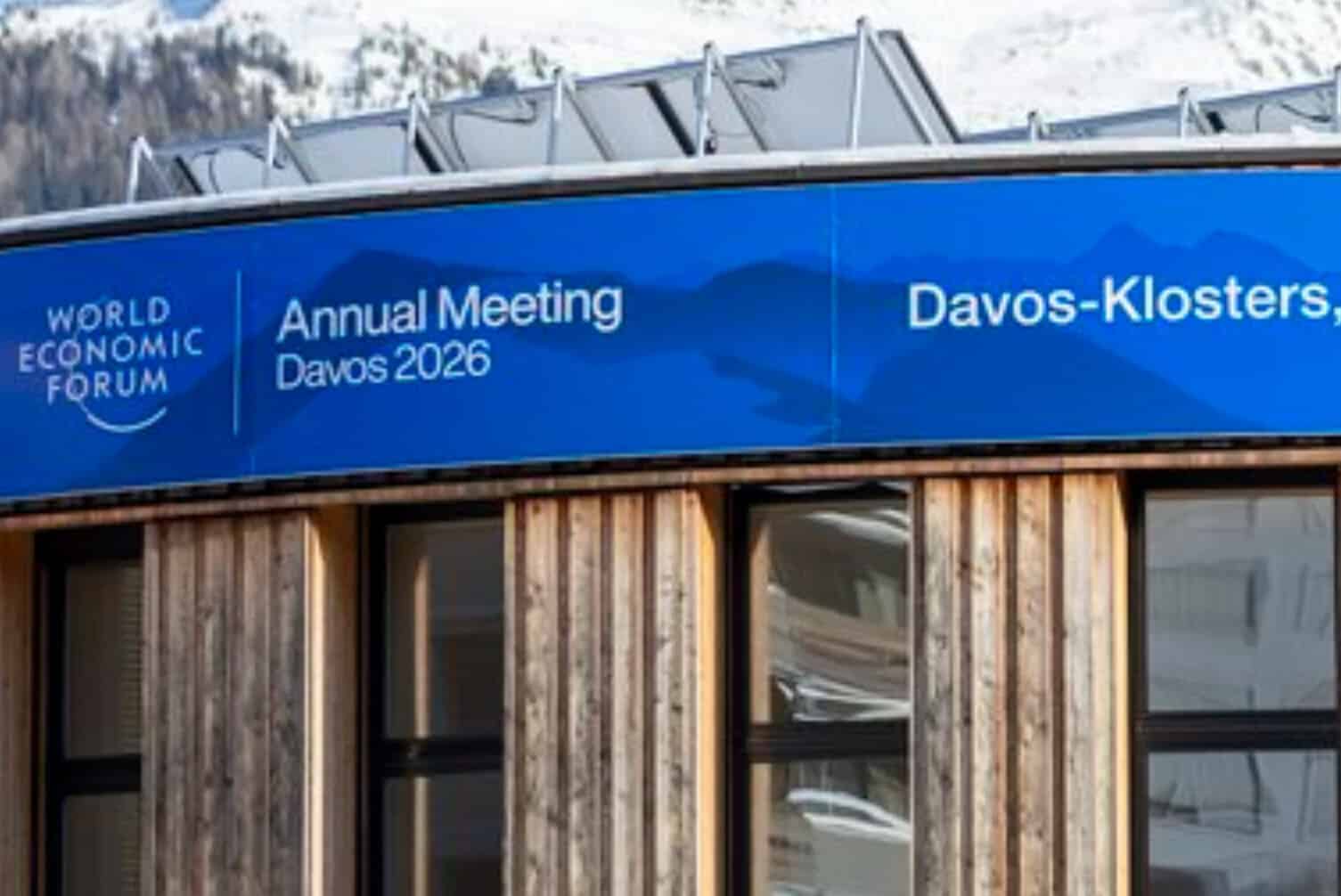
Government and private sector dignitaries are in Davos this week to grease the world’s economic wheels.
In the build-up to the glitzy gathering, the World Economic Forum (WEF) released its annual global risk report last week, listing the five major risks identified in each country.
Economic downturn, disruptions to critical infrastructure, as well as crime and the illicit economy, were among the top five risks in South Africa.
The second-biggest concern cited by the WEF was insufficient public services and social protections such as education, infrastructure and pensions.
Topping the list was a lack of economic opportunity and unemployment, highlighted by the country’s 44.9% composite measure of labour underutilisation.
Five SA ministers in Davos
The WEF was assisted in the evaluation of South Africa’s risks by Business Unity South Africa (Busa), which states that its mandate is to enable South African businesses to contribute towards development, economic growth, and transformation goals.
“Busa’s work is largely focused on influencing policy and legislative development for an enabling environment for inclusive growth and employment,” Busa stated.
South Africa’s government delegation features five ministers from the finance, business development, tourism, electricity and energy and international relations and cooperation ministries.
“The delegation’s strategic intent is to position South Africa as an attractive investment destination reflected in demonstrable progress in attaining macroeconomic stability, positive momentum in economic reform implementation, regional leadership, and global diplomacy,” the government stated on Sunday.
Domestic policy imperatives
The ministers will be backed by delegations from the South African Reserve Bank, three other government entities and at least 10 of the country’s biggest companies, including its major banks.
While the stage is set for global flattery, one analyst believes South Africa already has the keys to its own economic freedom.
“In terms of addressing the issues identified, this comes down to domestic policy,” Centre for Risk Analysis Executive Director Chris Hattingh told The Citizen.
As well a crackdown on crime and the investing in military and defence capacities, Hattingh identified several areas that government officials have a direct influence over.
“Opening electricity and logistics networks to competition, seriously tackling corruption, appointing public officials on merit, and strengthening property rights would make South Africa exceedingly more attractive for investment,” said Hattingh.
The country’s private sector representation in Davos will be strong, with financial industry leaders attending global policy discussions relating to macroeconomics, technology and more.
“South African businesses should put pressure on the government to pursue policies that are pro-growth and investment, and that lower the risk and cost of doing business in the country,” advised Hattingh.
Geoeconomic confrontations
The WEF’s 2026 Global Risks Report noted country-specific risks but focused on the issues shaping the international landscape.
Of South Africa’s five biggest risks, only two — economic downturn and unemployment — featured in the WEF’s top 10 global issues.
Technology-based concerns occupied three spots in the top 10, but geoeconomic confrontation and state-based armed conflict were first and second, respectively.
“In the current geoeconomic moment, drivers of confrontation will be tariffs, unilateral state actions, war and economic conflict, upheaval of global trade flows, and financial and other sanctions,” explained Hattingh.
South Africa’s strained relationship with the United States has cascading consequences, not only as a vital trading partner, but via the interconnected nature of the global economy.
“Any increase in confrontation risks South African exporters, businesses, and government finances and debt,” said Hattingh.
“Confrontation may also spill over into and pressure other country’s trade and economic ties with South Africa.
“Should the US impose sanctions on SA, foreign businesses and governments may assess SA as too risky to trade with and invest in,” he stated.
Geoeconomic consequences for SA
Hattingh stressed that addressing the domestic issues would make South Africa “more resilient and able to weather geoeconomic fragmentation” in the future.
Geoeconomic confrontations can rock the global boat, especially by increasing oil and fuel costs, which in turn drives up transportation, manufacturing and retail costs.
“As a small open economy, South Africa has long been especially exposed to higher imported costs, and imported inflation, tighter financial flows and compliance costs which would affect the financial sector especially.
“In the worst-case scenario, South African government bond yields would increase dramatically, massively increasing the cost of financing government debt, with debilitating consequences for all sectors and businesses, especially in finance and banking,” Hattingh concluded.
NOW READ: G20@20 report: Members feel effectiveness has decreased and less working groups are needed