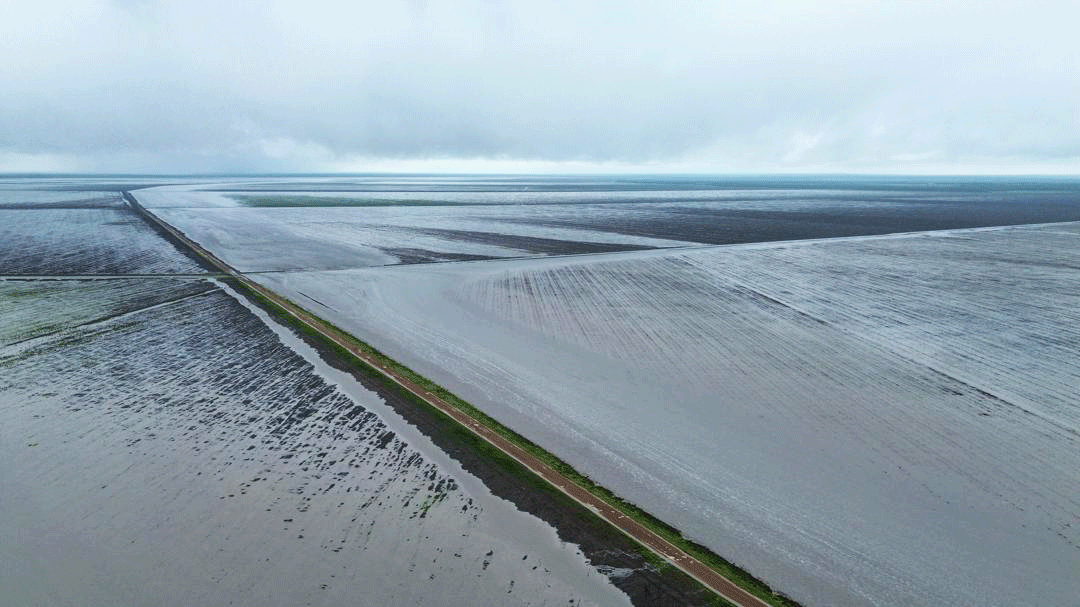
The heavy rains that have battered Pandamatenga, a key agricultural hub in northwestern Botswana, have unleashed a flood crisis with devastating consequences for crops, livelihoods, and regional food security. As the waters surged through fields once ripe with promise, they obliterated vast tracts of corn, sorghum, yams, and sugar cane, the staples that local farmers had nurtured through months of toil. What was meant to ease hunger and tame soaring food prices has instead been swept away in a flood of uncertainty and ruin. The disaster extends beyond Botswana’s borders, with neighboring Malawi, Mozambique, and Zimbabwe grappling with similar deluges that have submerged tens of thousands of acres of farmland, threatening millions more across Southern Africa.
This year’s rainy season has been relentless. In Pandamatenga, where commercial and small-scale farmers rely on the land for their survival, the soil has been waterlogged for weeks. Floodwaters have not only drowned crops but also destroyed critical infrastructure, roads, irrigation systems, and storage facilities; deepening the wounds inflicted on an already fragile agricultural sector. The loss is staggering, as farmers had pinned hopes on these harvests to combat the region’s escalating food insecurity and inflation in food prices.
The northwestern part of Botswana, including Pandamatenga, has faced some of the most disruptive rainfall in recent memory. Authorities have issued Yellow Level 4 warnings, signaling severe disruptions to transportation and settlements due to ongoing floods. The floodwaters have engulfed roads, making it nearly impossible for farmers to bring their produce to market or access essential supplies. Beyond the immediate damage to crops, the floods have halted planting schedules, delayed harvesting, and impaired the logistics of food distribution across the region.
This crisis is far from isolated. Across Southern Africa, the pattern of destruction is eerily similar. In Malawi, Mozambique, and Zimbabwe, relentless rains have submerged vast agricultural lands. Mozambique alone reports that over 600,000 people have been directly impacted by flooding, with more than 70,000 houses flooded and significant damage to vital road networks that connect rural farms to urban markets. The Mozambican government has canceled key events like the Davos trip of its president to focus on emergency response efforts amid the growing humanitarian crisis.
Zimbabwe has not been spared either. Early January rains wiped out nearly 500 acres of farmland, affecting roughly 135 farmers. The crops lost include sorghum, sunflower, maize, onions, cotton, and cowpeas, staples that form the backbone of Zimbabwe’s agricultural economy. The destruction threatens to deepen food shortages in rural communities already struggling against poverty and the aftershocks of previous droughts.
The scale of the catastrophe is underscored by the human toll. More than 100 deaths have been reported across Southern Africa due to the floods, with fatalities in Mozambique, South Africa, and Zimbabwe. In Botswana, the socio-economic impact is profound. The government has declared a national disaster, mobilizing resources to support affected populations and mitigate further losses. Emergency responders are working against the clock to deliver aid to isolated communities cut off by rising waters.
The agricultural devastation has a ripple effect beyond the immediate destruction of crops. Flooded soils lose oxygen rapidly, stunting plant growth and increasing susceptibility to diseases that further reduce yields. Damage to irrigation and water management infrastructure impairs the ability to recover quickly once floodwaters recede. The timing of these floods is particularly cruel, as they coincide with critical planting and harvesting seasons, leaving farmers with little chance to salvage their livelihoods this year.
Food insecurity looms large as millions depend on these crops for sustenance and income. In Botswana, where the flood has devastated key commercial farming areas, the shock to food supply chains threatens to drive prices even higher, compounding hardship for vulnerable populations. Across the affected countries, humanitarian agencies warn of looming hunger crises as the floods have wiped out food reserves and disrupted market access. The World Food Programme and local governments are ramping up efforts to deliver emergency food aid and support to displaced families.
The floods also expose the vulnerability of Southern Africa’s agricultural systems to extreme weather events, which scientists link to climate change. In recent years, erratic rainfall patterns, ranging from severe droughts to catastrophic floods, have made farming an increasingly precarious endeavor. Experts warn that without significant investment in climate-resilient agriculture and infrastructure, the frequency and severity of such disasters will only worsen, exacerbating cycles of poverty and hunger.
Efforts are underway to address the immediate crisis and build longer-term resilience. In Botswana, disaster management offices are preparing for continued wet conditions that may bring further flooding, while regional cooperation aims to coordinate responses across borders. Development organizations advocate for improved early warning systems, better water management, and diversified cropping strategies to reduce future risks. Yet, as floodwaters continue to reshape the landscape, the challenge remains immense: how to protect livelihoods and secure food for millions in a region where the weather is growing ever more unpredictable.
Post Views: 154