Staff Reporter
NAMIBIA’S poultry sector continues to expand rapidly, with several local producers undergoing major developments; despite this, the country still imports large volumes of poultry meat.
This trend was highlighted in the Namibia Agricultural Union’s (NAU) 2026 Outlook. According to the Union, several local poultry producers are investing in new processing plants and integrated breeder–hatchery systems, positioning the industry for significant growth over the coming years. The Union added that the SME segment is also expanding, producing approximately 60,000 broilers per week for informal markets.
“Despite this strong domestic momentum, Namibia still imports large volumes of poultry meat (over 11,388 tons in the first half of 2025, which is about 30% of domestic consumption) and remains heavily dependent on imported yellow maize and soy for feed, highlighting opportunities for domestic crop production development,” NAU added.
The Union forecasts that the sector will continue on its upward trajectory, supported by increased processing capacity, the maturation of new breeder and hatchery operations, and improved biosecurity planning. According to the Union, production growth is likely to continue as large players reach full operational scale, while SME participation remains robust.
“Import competition will persist, but stronger border control enforcement to curb smuggling by LLPBN, coupled with increasing domestic output, is expected to gradually improve market share of locally produced poultry. Feed cost volatility and Avian Influenza risks in neighbouring countries remain key challenges, but overall, the sector is well-positioned for sustained growth, with potential to become one of Namibia’s largest contributors to agricultural production value,” the Union added.
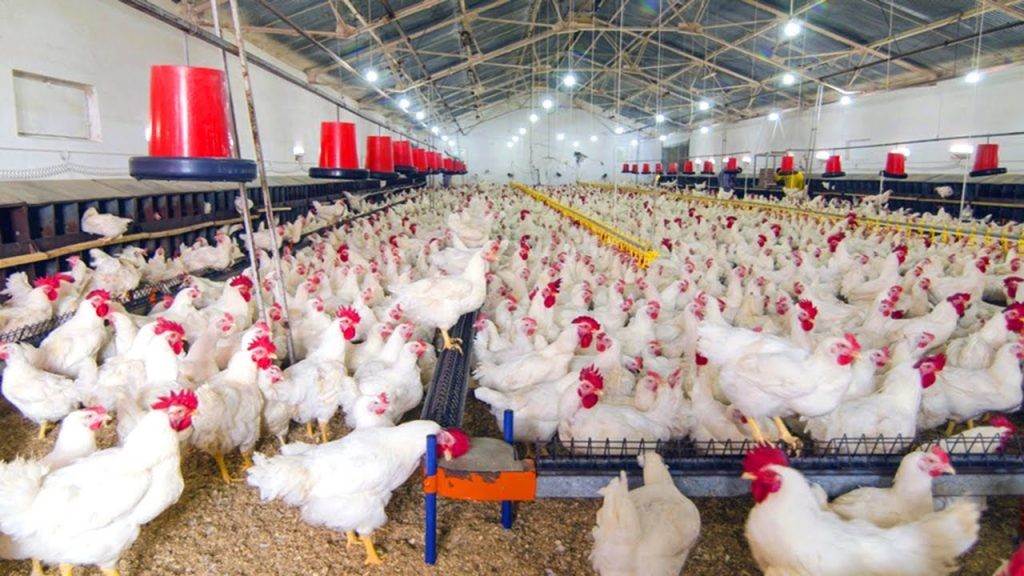
Photo for illustrative purposes only.