By Amin Kef (Ranger)
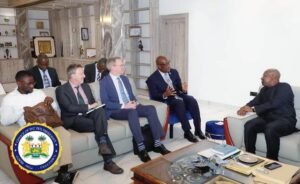
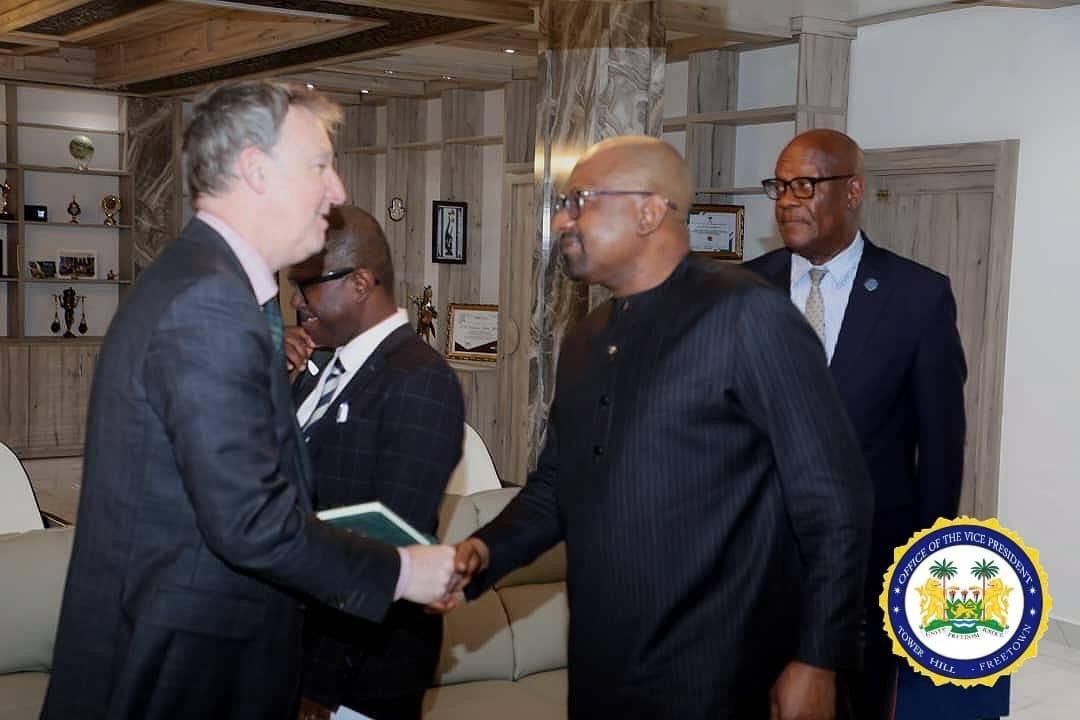
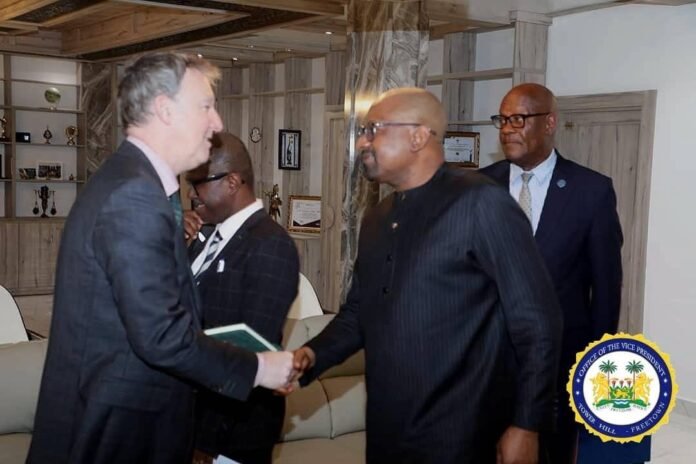
Vice President Dr Mohamed Juldeh Jalloh has reiterated the Government of Sierra Leone’s firm commitment to strengthening the country’s health system and advancing universal health coverage, following high-level discussions with teams from the World Health Organization (WHO) and the World Bank in Sierra Leone.
The Vice President described the engagement as a “productive meeting” and said it focused on sustainable financing reforms, improved coordination across Government Ministries and ongoing efforts to secure long-term support for Sierra Leone’s health sector priorities.
“I reaffirmed our commitment to universal health coverage, sustainable financing and advancing the Health Financing Act through inter-ministerial coordination,” Dr Mohamed Juldeh Jalloh said, emphasizing that the Government remains determined to push forward reforms even in the face of fiscal pressures.
He noted that Sierra Leone continues to operate within a challenging economic environment, where limited public resources and competing national development demands have increased pressure on health sector spending. However, the Vice President stressed that the health reform agenda remains central to the Government’s social development strategy and long-term national resilience.
Sierra Leone’s drive for universal health coverage is expected to include stronger health financing mechanisms aimed at reducing out-of-pocket payments for citizens, improving access to essential services and ensuring that healthcare delivery remains equitable across the country. Stakeholders say those reforms are also intended to increase the stability of funding for health institutions while strengthening accountability and efficiency in service provision.
Vice President, Dr Mohamed Juldeh Jalloh, highlighted the significance of international development partnerships in supporting Sierra Leone’s reform efforts, acknowledging that institutions such as WHO and the World Bank continue to provide critical technical guidance and financial support to improve national healthcare outcomes.
“I am grateful for these partnerships that continue to support Sierra Leone in driving health sector reform in these fiscally constrained environments,” he said, referencing the post-pandemic recovery challenges and broader economic headwinds affecting public expenditure.
The Vice President’s latest engagement is seen as part of the Government’s ongoing commitment to work collaboratively with global partners to strengthen the health sector, enhance service delivery and build a stronger system capable of meeting the needs of all Sierra Leoneans.
Observers believe that with sustained political will and consistent support from development partners, Sierra Leone’s health financing reforms could provide a stronger foundation for expanding quality healthcare and improving public health outcomes nationwide.