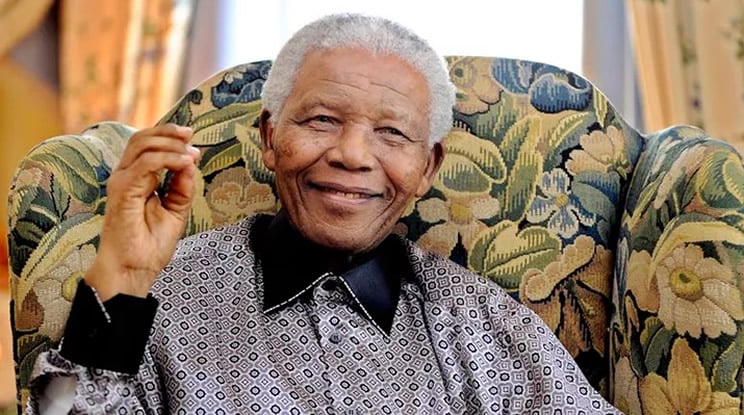
History shows that imprisonment has often been a stepping stone for some of the world’s most influential leaders.
Many political figures who spent years behind bars for activism or opposition to oppressive regimes later rose to the highest office in their countries, turning personal sacrifice into national leadership.
PUNCH Online highlights 10 global leaders who overcame incarceration to become presidents:
1. Nelson Mandela (South Africa)
Imprisoned: 1962–1990 (27 years)
Reason: Anti-apartheid activism and sabotage against the apartheid government
Outcome: Became South Africa’s first Black president in 1994. His imprisonment elevated him to a global symbol of freedom and reconciliation.
2. José Mujica (Uruguay)
Imprisoned: 1972–1985 (over a decade)
Reason: Guerrilla activity with the Tupamaros during the military dictatorship
Outcome: Served as President of Uruguay (2010–2015), renowned for humility and progressive policies.
3. Lech Wałęsa (Poland)
Imprisoned: Early 1980s
Reason: Led the Solidarity movement against communist rule
Outcome: Became President of Poland (1990–1995), pivotal in Poland’s democratic transition.
4. Václav Havel (Czechoslovakia / Czech Republic)
Imprisoned: Multiple times, 1979–1989
Reason: Dissident and human rights activist under the communist regime
Outcome: Served as the last president of Czechoslovakia (1989–1992) and became the first president of the Czech Republic (1993–2003).
5. Anwar Ibrahim (Malaysia)
Imprisoned: Multiple periods from 1998 onwards
Reason: Opposition leader facing politically motivated charges
Outcome: Became Prime Minister of Malaysia in 2022 after years of reformist activism.
6. Robert Mugabe (Zimbabwe)
Imprisoned: 1964–1974 (10 years)
Reason: Anti-colonial activism against the white-minority Rhodesian government
Outcome: Became Prime Minister in 1980 and later President, leading Zimbabwe for decades.
7. Yoweri Museveni (Uganda)
Imprisoned: Early 1970s
Reason: Anti-Amin political activism
Outcome: Became President of Uganda in 1986 after leading guerrilla warfare against previous regimes.
8. Félix Houphouët-Boigny (Ivory Coast)
Imprisoned: Briefly during the French colonial era for political activism
Outcome: Became President of the Ivory Coast (1960–1993), the country’s first post-independence leader.
9. Juan Perón (Argentina)
Imprisoned/Exiled: 1945 for political opposition
Outcome: Returned to lead Argentina as President in 1946; his detention strengthened his popularity.
10. Lula da Silva (Brazil)
Imprisoned: 1980s (brief political detentions during the military dictatorship)
Outcome: Became President of Brazil (2003–2010); years of activism, including imprisonment, boosted his credibility among working-class Brazilians.