By Amin Kef (Ranger)
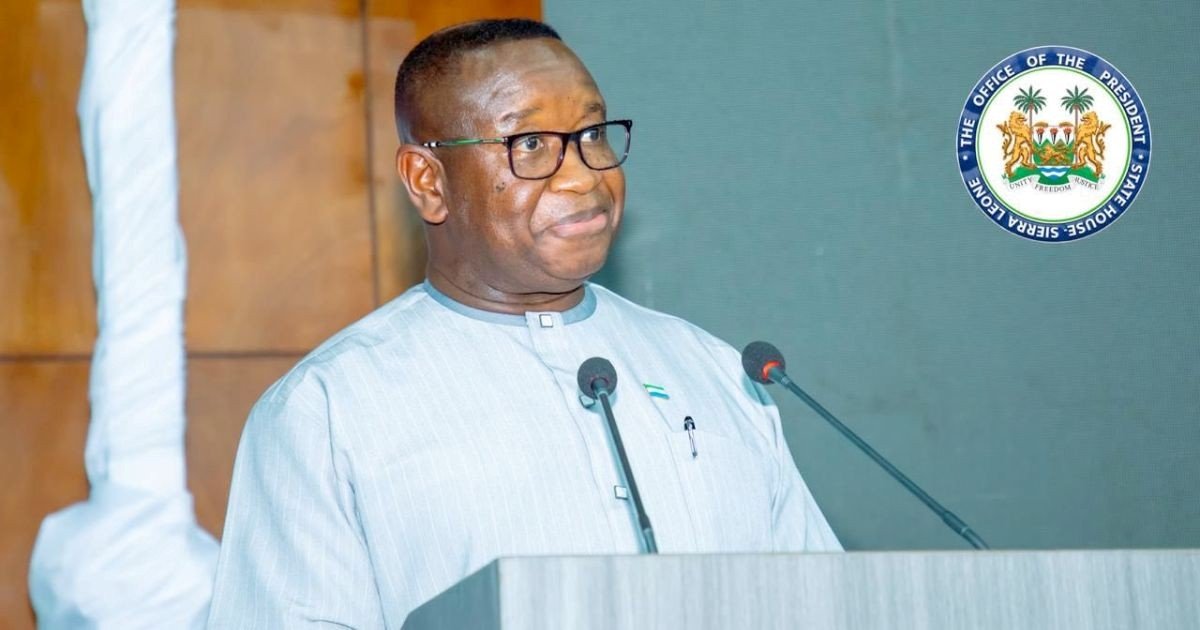
President Dr. Julius Maada Bio has officially declared January 18 as Sierra Leone’s National Day of Remembrance, marking the first time the nation has set aside a special day to honour victims of the civil war and reflect on the painful sacrifices that led to peace.
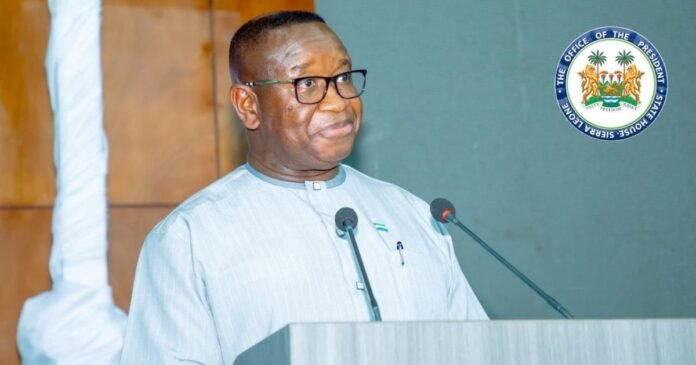
In a solemn national address delivered in Freetown on Sunday, 18 January 2026, President Bio said the country must “pause together to remember, to honour and to reflect,” stressing that the day is not only about emotion but about collective responsibility to protect peace and prevent a return to violence.
“This day calls not only for emotion, but for commitment. We declare, with one voice: Never Again,” the President stated, describing peace as a choice and remembrance as a tool to keep it alive across generations.
President Bio recalled that Sierra Leone’s civil war was officially declared over on January 18, 2002, after which the country established the Truth and Reconciliation Commission (TRC) to document the conflict, give victims a voice and guide national healing.
He noted that the TRC recommended January 18 be observed as a National Day of Reconciliation and Remembrance, but acknowledged that the recommendation remained unfulfilled for 24 years. The President said the nation has now chosen to give full meaning to that historic recommendation by formally recognizing January 18 as a day of national memory and moral reflection.
Speaking not only as Head of State but as a survivor of the conflict, President Bio described the Remembrance Day as deeply personal, revealing that members of his own family in Bonthe District suffered the war’s brutality and that some lost their lives.
He described the war as a tragedy that destroyed without discrimination, leaving permanent pain in countless families across the country.
The President outlined the scale of the conflict, stating that more than 50,000 Sierra Leoneans were killed, communities were uprooted, thousands suffered amputations and many citizens endured physical and sexual abuse, displacement and lasting psychological trauma.
In one of the most emotional parts of his address, President Bio asked for forgiveness on behalf of the nation and its leaders, past and present, while recognizing that victims and survivors must be allowed to heal in their own time.
He emphasized that acknowledging the truth is not about blame but about healing and prevention, adding that national unity cannot be rebuilt without forgiveness, dalogue and responsibility.
President Bio cautioned that war does not begin with bullets but with hatred, lies, intimidation and division. He warned that Sierra Leone faces new threats in the era of social media, where dangerous rhetoric can spread rapidly and inflame tensions.
He urged citizens to weigh their words carefully, reject incitement and verify information before sharing, stressing that democracy needs criticism but also demands responsibility.
“This is not a call for censorship,” he said, adding that the nation must keep empathy in politics and reject any form of politics that promotes hatred.
The President particularly challenged young people, many of whom did not witness the war, to understand that peace is not guaranteed.
He urged them to use their energy to build and strengthen the country, participate responsibly in public life and reject violence, emphasizing that the younger generation has inherited a duty to defend the peace others paid for with their lives.
President Bio paid tribute to individuals and institutions whose sacrifices supported Sierra Leone’s return to democracy and stability. He honoured the Armed Forces, Civil Defence Forces, women, teachers, health workers, journalists and civil society actors who stood for peace during the nation’s darkest years.
He also recognized the contributions of international partners and foreign soldiers from several countries, as well as regional leaders and humanitarian workers who supported Sierra Leone through the conflict.
The President announced that from 2026 onward, Sierra Leone will observe National Remembrance Day every January 18, accompanied by a Week of Remembrance dedicated to civic education, interfaith prayer, storytelling, reflection and peacebuilding.
He called on families to speak honestly with their children about the war, honour the survivors and safeguard dignity, while urging the nation to resolve disagreements through dialogue and reject tribal, regional, religious and political division.
During the address, President Bio led the nation in a minute of silence for those who lost their lives and offered prayers for peace, healing and unity. He pledged to continue protecting peace and strengthening state institutions so they never again fail the people.
“Peace is not something we inherited. It is something we earned through suffering and sacrifice,” the President said, calling on citizens to defend peace through their conduct, institutions and choices.
He concluded with a renewed call for national unity, reminding Sierra Leoneans that remembrance is not meant to reopen wounds but to safeguard the future.
“May the souls of all who were lost rest in peace. May the survivors find healing. And may God continue to bless and protect the Republic of Sierra Leone,” President Bio ended.