Author: Diko D. Andrew | Published: 9 hours ago
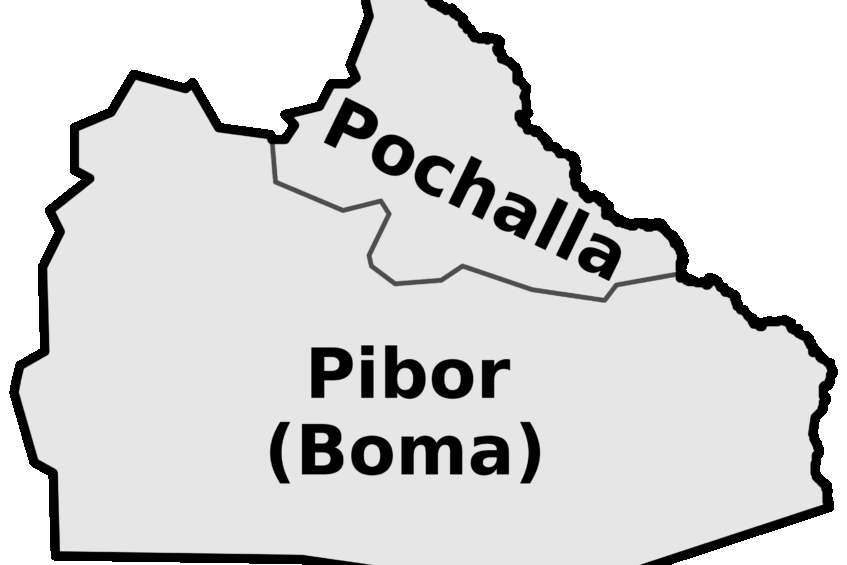
Map of Greater Pibor Administrative Area (GPAA) -courtesy
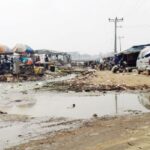
The Minister of Information in the Greater Pibor Administrative Area, Jacob Werchum Juok, says prices of goods in local markets have risen sharply in recent days due to insecurity and poor road conditions linking the region to the capital.
Minister Werchum said the road connecting Juba and another linking Torit, the capital of Eastern Equatoria State, to Pibor have been affected by insecurity and bad conditions.
He explained that only a few vehicles manage to access Pibor each month, limiting supply and driving up the cost of basic food items.
According to the minister, 50 kilograms of sugar now sells for 350,000 South Sudan Pounds, 50 kg of maize flour costs SSP 250,000, and 20 litres of oil goes for SSP 290,000.
“Sugar, 50 kg, is about 350,000 SSP. Maize flour, 50 kg, is 250,000 SSP. Oil, 20 liters, is 290,000 SSP, while wheat flour, 50 kg, is 380,000 SSP. Beans, 50 kg, are being sold for 650,000 SSP. Rice, 50 kg, is 400,000 SSP, and onions, 1 kg, is 20,000 SSP.
All these goods were brought from Juba. Last month, sugar was 400,000 SSP, but now it has reduced to 350,000 SSP. Some prices have decreased slightly as more goods arrive from Juba, but others, like white flour and oil, are still rising due to market challenges,” he explained.
The minister said insecurity and poor roads have forced traders to rely on air transport to bring goods from Juba, a costly option that has directly pushed up market prices.
“The market people transport these goods by plane from Juba because we don’t have enough vehicles on the roads. Sometimes only two to three trucks arrive each month, so it’s still very difficult.
“The goods in the market are not like they used to be, and the little that is available is very expensive. The only affordable items are locally produced, like fish and vegetables from the Pibor River. Everything else, like wheat flour, oil, and other food items, remains very costly,” he added.