Why Hon. Adut Salva Kiir’s questionable humanitarian display at the Ghieda Orphanage in Juba on Thursday, 04 December 2025, deserves deeper scrutiny.
By PaanLuel Wël, Juba, South Sudan
Saturday, 06 December 2025 (PW) — In functioning states, public services are not “donations” but are entitlements owed to citizens by their government. But in South Sudan’s political system, an odd inversion has taken place in which leaders preside over the extraction and mismanagement of public resources, then return to the same impoverished citizens as benevolent benefactors distributing crumbs from the national treasury they have looted. This practice is neither charity nor governance but rather a cyclical performance of dispossession and staged generosity.
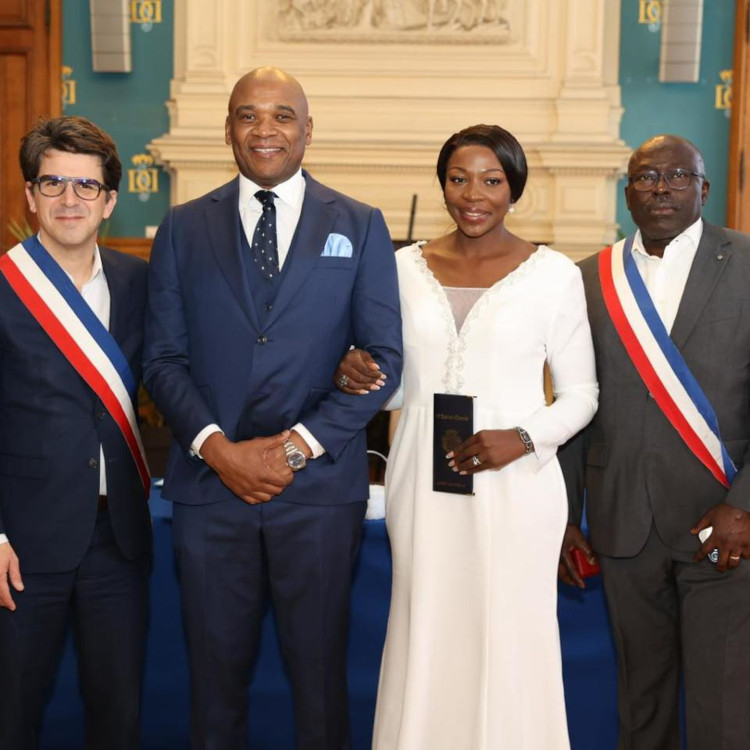
The latest episode involves the First Daughter Adut Salva Kiir, who is not only the daughter of President Salva Kiir but also the Senior Presidential Advisor on Special Programs, a role that places her directly at the heart of the state’s most sensitive initiatives. When she appears in public distributing food, mattresses, bedsheets, and other essentials to struggling communities, an unavoidable question arises.
In what capacity is Hon. Adut Salva Kiir acting? Is Hon. Adut giving these items as a private citizen moved by compassion? A government official executing state responsibilities? A representative of a government that has bankrupted the nation? Or simply masquerading as the USAID of South Sudan?
First, private citizens like Deng, Gatkuoth and Lado do not have discretionary access to national resources, diplomatic vehicles, or government delegations to carry out “humanitarian missions.” Secondly, if Hon. Adut is acting in the name of the state, then the performance is even more troubling. It suggests a government that first fails to provide basic services, then theatrically returns with “gifts,” pretending benevolence while masking structural failure.
In all interpretations, the logic remains contradictory and troubling. A government cannot donate national resources to its own citizens. A state delivering food or beds to orphans is not charity but simply doing the bare minimum. But when the same government presides over kleptocratic policies that generate the very poverty they claim to alleviate, the gesture becomes morally inverted and sinister.
This dynamic becomes clearer when placed within South Sudan’s broader governance pattern. The country’s oil wealth, its most valuable national resource, has been systematically diverted into private networks of patronage, luxury lifestyles, factional militias, and elite family enrichment. When the daughters, sons, and relatives of senior officials arrive with convoys to “bless” communities with food, bedding, sugar, soap, and other basics, they are effectively redistributing the nation’s stolen wealth back to citizens in token doses.
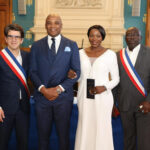
This is why the case of Hon. Adut Salva Kiir’s recent humanitarian display at the Gieda Orphanage in Juba deserves deeper scrutiny. Her office publicized the donation of 200 bags of food, 60 beds, 100 mattresses, and 100 bedsheets to 200 vulnerable children. On the surface, it appears generous. But underneath the humanitarian veneer is a disturbing political reality. The children are receiving goods purchased with the very revenue that should have guaranteed them healthcare, safety, education, and proper living conditions from the start.
Thus the real issue is not the donation, it is the structural violence that makes such donations necessary. The orphanage is struggling not because South Sudan lacks money, but because South Sudan’s money has been swallowed by a predatory political elite. Under such conditions, philanthropic gestures by officials and their families become part of a larger political theatre. The ruling elite manufactures public dependence, then presents itself as the savior of the very crisis it created.
This political theatre also masks a more sinister phenomenon of the privatization of the state itself.
When the president’s daughter acts as both government official and quasi-NGO, the boundaries between public funds, private wealth, and political loyalty become deliberately blurred. It is a pattern seen in other kleptocratic systems, where the leader’s inner circle monopolizes state power and then performs philanthropy to sustain legitimacy.
South Sudan’s citizens should not have to applaud donations made with their own oil revenues. Vulnerable children should not have to wait for a presidential advisor’s goodwill to sleep on proper bedding. And no official, no matter how well connected, should be allowed to frame public-service duties as personal favor. The fundamental question is why are orphans depending on Hon. Adut Salva Kiir’s charity instead of benefiting from a functioning social welfare system funded by the billions in national wealth the government controls?
Until this question is answered honestly, each donation, no matter how large or well publicized, will continue to feel like an elaborate performance designed to hide the deeper truth in South Sudan, in which the political elite such as Wun-Weng does not provide services but rather extracts resources, disperses hardship, and then returns to distribute symbolic relief from the very suffering it created.
If you want to submit an opinion article, commentary, or news analysis, please email it to the editor: [email protected] or [email protected]. PaanLuel Wël Media (PW) website does reserve the right to edit or reject material before publication. Please include your full name, a short biography, email address, city, and the country you are writing from.