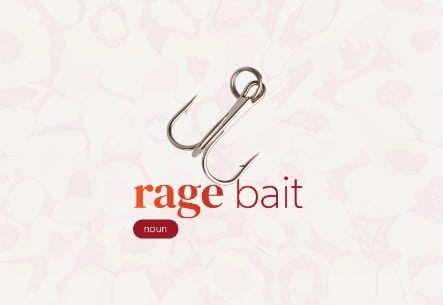
Oxford Languages has announced “rage bait” as the Oxford Word of the Year 2025, following a public vote that drew more than 30,000 participants and reflected escalating global concerns about digital manipulation, emotional exploitation online, and the increasingly polarized tone of internet culture.
Defined as “online content deliberately designed to elicit anger or outrage by being frustrating, provocative, or offensive, typically posted in order to increase traffic to or engagement with a particular web page or social media account.”
Rage bait beat out shortlisted contenders aura farming and biohack.
Oxford Languages noted a dramatic rise in the term’s prominence: according to their language data, its usage has tripled in the past year.
PUNCH Online retrieved these on Monday from an announcement on the Oxford website.
Linguists at Oxford
Linguists at Oxford say the word’s surge mirrors growing anxiety about how online platforms shape public discourse—and how creators strategically provoke emotional responses to drive engagement.
“With 2025’s news cycle dominated by social unrest, debates about the regulation of online content, and concerns over digital wellbeing, our experts noticed that the use of rage bait this year has evolved to signal a deeper shift in how we talk about attention—both how it is given and how it is sought after—engagement, and ethics online,” Oxford Languages said in its announcement.
Though the phrase contains two words, Oxford emphasised that its Word of the Year can be either a single word or an expression, so long as it functions as a single unit of meaning. The organisation describes rage bait as a compound of two long-established English terms—rage and bait—that takes on a specific modern significance in digital contexts.
While related to clickbait, the new term highlights content that aims not merely to attract attention but to provoke discord and polarization.
“The emergence of rage bait as a standalone term highlights both the flexibility of the English language, where two established words can be combined to give a more specific meaning in a particular context (in this case, online) and come together to create a term that resonates with the world we live in today,” Oxford’s explanation states.
President of Oxford Languages
In announcing the decision, Casper Grathwohl, President of Oxford Languages, underscored what the rise of the term suggests about the current online landscape:
“The fact that the word rage bait exists and has seen such a dramatic surge in usage means we’re increasingly aware of the manipulation tactics we can be drawn into online. Before, the internet was focused on grabbing our attention by sparking curiosity in exchange for clicks, but now we’ve seen a dramatic shift to it hijacking and influencing our emotions, and how we respond. It feels like the natural progression in an ongoing conversation about what it means to be human in a tech-driven world—and the extremes of online culture.
“Where last year’s choice, brain rot, captured the mental drain of endless scrolling, rage bait shines a light on the content purposefully engineered to spark outrage and drive clicks. And together, they form a powerful cycle where outrage sparks engagement, algorithms amplify it, and constant exposure leaves us mentally exhausted. These words don’t just define trends; they reveal how digital platforms are reshaping our thinking and behaviour.”
With its selection of rage bait, Oxford positions the term not only as a linguistic milestone but as a reflection of a broader cultural reckoning: a public increasingly attuned to how online outrage is manufactured, amplified, and monetised—and the emotional cost that cycle carries.